Category: Windows

  • Triple Pane Windows: The Complete Guide for Colorado Homeowners

    Triple Pane Windows: The Complete Guide for Colorado Homeowners

    Are Triple Pane Windows the Right Choice for Your Colorado Home?

    Living in Colorado means embracing a unique and often demanding climate. From intense sun and high UV exposure at altitude to bone-chilling winters and dramatic daily temperature swings, our homes need to be fortresses of comfort and efficiency. When it’s time for window replacement, one of the most significant decisions you’ll make is choosing between double and triple pane windows. While double pane has been the standard for years, the challenging Colorado environment is making a stronger case for an upgrade.

    This guide will explore the world of triple pane windows, breaking down the science, comparing them directly to their double pane counterparts, and detailing why they are increasingly becoming the smart choice for savvy Colorado homeowners. We’ll look at the costs, the benefits, and what you need to know to make an informed decision for your home’s long-term performance and comfort.

    What Are Triple Pane Windows and How Do They Work?

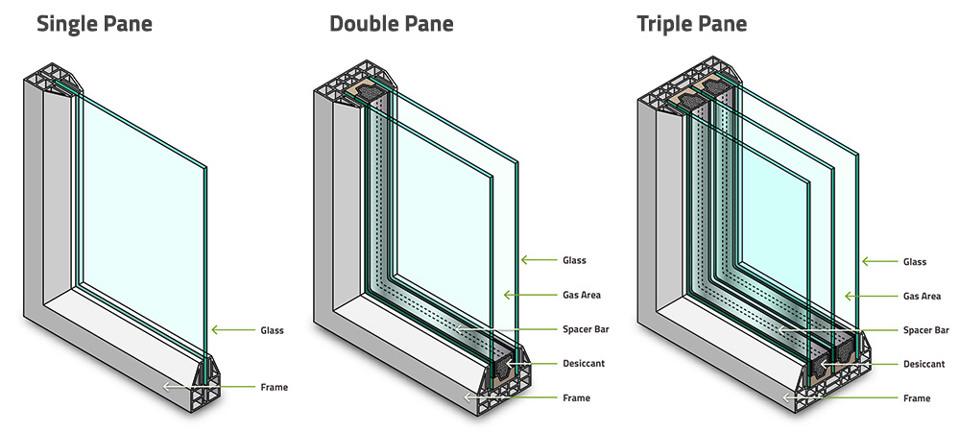
    At its core, a triple pane window is exactly what it sounds like: a window unit constructed with three panes of glass instead of the traditional one or two. But the real magic isn’t just the extra layer of glass; it’s the sophisticated system working between those panes that delivers exceptional performance.

    • Three Panes of Glass: This is the foundation. The third pane creates an additional barrier against heat transfer and sound waves.
    • Two Insulating Air Spaces: The spaces between the three panes of glass are sealed and filled with a dense, inert gas, typically argon or krypton. Because these gases are much denser than air, they dramatically slow the transfer of heat, keeping your home warmer in the winter and cooler in the summer.
    • Low-E Coatings: High-performance triple pane windows feature multiple, invisible layers of Low-Emissivity (Low-E) coatings applied to the glass surfaces. These microscopic metallic layers reflect infrared heat (the heat you feel) back to its source. In winter, it keeps heat inside your home. In summer, it reflects the sun’s heat away. This is a critical component in understanding what makes a window truly energy-efficient.
    • Warm-Edge Spacers: The spacers that hold the glass panes apart are a common point of energy loss. Modern triple pane windows use “warm-edge” spacers made of low-conductivity materials to keep the edges of the glass warmer, improving insulation and reducing the risk of condensation.

    Together, these components create a formidable barrier that insulates your home far more effectively than older window technologies.

    Triple Pane Windows vs Double Pane: A Head-to-Head Comparison

    When you’re comparing window performance, you’ll often hear two terms: U-factor and R-value. They are the key metrics for understanding insulation.

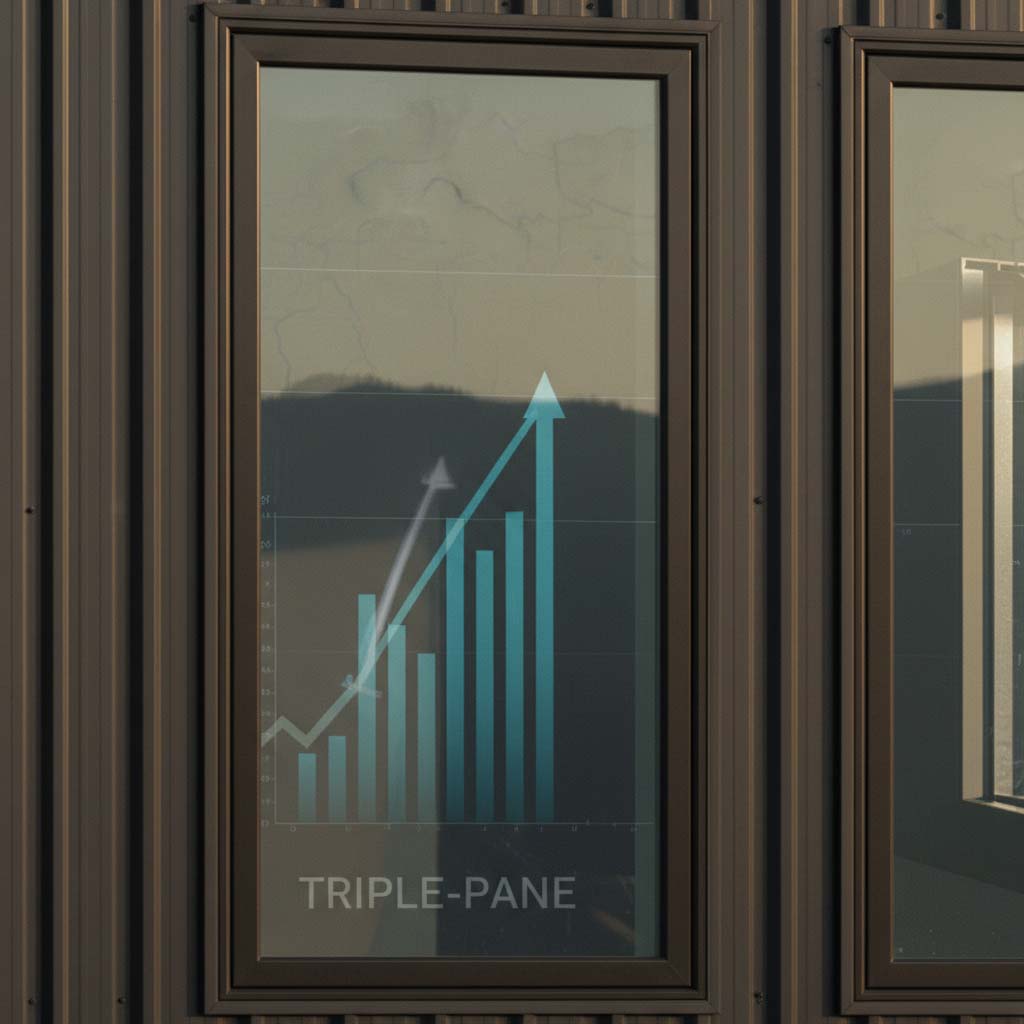
    U-factor measures how well a window prevents heat from escaping. The lower the U-factor, the better the window is at insulating. Triple pane windows can achieve U-factors of 0.20 or even lower, while high-quality double pane windows typically land in the 0.25 to 0.30 range.

    R-value is the inverse of U-factor and measures resistance to heat flow. Here, a higher number is better. A standard double pane window might have an R-value of R-3 to R-4, while a triple pane window can easily reach R-5 to R-7 or higher. For homeowners deciding between double and triple pane windows, these numbers represent a significant leap in performance.

    Here’s a quick breakdown of how they stack up:

    Metric High-Performance Double Pane High-Performance Triple Pane
    U-Factor ~0.25 to 0.30 ~0.20 or lower
    R-Value R-3 to R-4 R-5 to R-7+
    Noise Reduction Good Excellent
    UV Protection Good (with Low-E) Superior (multi-surface Low-E)
    Upfront Cost Lower Higher
    A comparison showing the performance advantages of triple pane windows.

    The Unmatched Benefits of Triple Pane Windows for Colorado Homeowners

    While triple pane windows offer benefits anywhere, they feel tailor-made for Colorado’s unique and challenging environment. Here’s why they are an especially powerful upgrade for homes along the Front Range and beyond.

    Superior Energy Efficiency for High-Altitude Living

    Colorado has over 5,600 “heating degree days” on average, a measure of how much energy is needed to heat a building. Our high altitude also means the atmosphere is thinner, providing less natural insulation from the sun’s heat in the summer and cold air in the winter. The superior R-value of triple pane energy-efficient windows provides a thermal barrier that directly combats this, helping to lower your heating and cooling costs. Over the life of the windows, this can translate into significant savings and help you minimize your electric bills.

    Enhanced UV Protection in the Mile High Sun

    At 5,280 feet, Denver receives about 25% more intense UV radiation than cities at sea level. This harsh sunlight can fade your furniture, flooring, and artwork over time. Triple pane windows, equipped with multiple surfaces for advanced Low-E coatings, can block up to 95% of harmful UV rays without dimming the beautiful Colorado view. It’s like applying sunscreen to your entire home.

    Stability During Drastic Temperature Swings

    It’s not uncommon for the temperature in Denver to swing 40 degrees or more in a single day. These rapid changes put immense stress on a home’s building envelope. The robust insulating power of triple pane windows creates a more stable indoor temperature, meaning your HVAC system isn’t constantly struggling to keep up with the fluctuating outdoor conditions.

    Significant Noise Reduction for a Quieter Home

    As our communities grow, so does the ambient noise. Whether you live near I-25, under a flight path for DIA, or simply in a bustling neighborhood, outside noise can disrupt your peace. The three panes of glass and two gas-filled chambers in a triple pane window create an exceptional sound-dampening system. The varied thickness of the glass and the gas layers effectively break up sound waves, creating a noticeably quieter and more serene indoor environment for homeowners across the Denver metro area and Front Range.

    Drastically Reduced Condensation

    Colorado’s dry winter air can be deceptive. When that dry, cold air hits a poorly insulated window, the warm, moist air inside your home can cause condensation to form on the glass. This moisture can damage window sills and even lead to mold. Because the interior pane of glass in a triple pane unit stays much closer to room temperature, the potential for condensation is virtually eliminated.

    Unbeatable Year-Round Comfort

    Ultimately, all these benefits add up to one thing: superior comfort. No more feeling a chill when you sit near a window in January. No more “hot spots” in a room from intense summer sun. Triple pane windows create a consistent, comfortable living space you can enjoy year-round, regardless of what the Colorado weather is doing outside.

    Understanding Triple Pane Windows Cost: An Investment in Your Home

    Let’s address the big question: what is the triple pane windows cost? It’s true that triple pane windows have a higher upfront cost, typically running 15% to 25% more than their double pane counterparts. This is a significant factor to consider in the double vs triple pane windows cost analysis.

    However, it’s crucial to view this not as an expense, but as an investment. The superior energy efficiency leads to lower monthly utility bills, allowing the windows to pay for themselves over time. Furthermore, the enhanced comfort, noise reduction, and UV protection add significant value to your quality of life at home. In a competitive real estate market, high-performance windows are also a powerful selling feature that can increase your home’s resale value.

    When Do Triple Pane Windows Make the Most Sense in Colorado?

    Given Colorado’s climate, an argument can be made that triple pane windows are almost always the superior choice for any home. However, they are especially beneficial in certain situations:

    • North-Facing Windows: These windows receive little to no direct sunlight in the winter, making them a major source of heat loss. The extra insulation of triple pane is invaluable here.
    • High-Altitude Homes: If you live in the foothills or mountains, the climate is even more extreme. Triple pane is the standard for comfort and efficiency.
    • Older Homes: If you’re upgrading from old single pane or early-generation double pane windows, the leap in performance with new triple pane replacement windows will be astounding.
    • Homes Near Noise Sources: For homes near busy roads, airports, or train tracks, the acoustic insulation is a primary benefit.
    • Pursuing Maximum Efficiency: For homeowners aiming for a “net-zero” or Passive House standard, triple pane windows are a foundational requirement.

    Meeting and Exceeding Modern Energy Standards

    The push for greater home efficiency is not just a trend; it’s being written into building codes and standards. The latest ENERGY STAR 7.0 criteria have significantly raised the bar for window performance, especially in colder climates. Colorado is designated in the “Northern” climate zone, where the new standards are so stringent that triple pane construction is often necessary to comply. By choosing triple pane windows today, you are future-proofing your home and ensuring it meets or exceeds the highest standards for years to come. For more information on what makes a window efficient, you can consult the Department of Energy’s comprehensive guide to energy-efficient windows.

    Choosing the Best Triple Pane Windows: What to Look For

    Not all triple pane windows are created equal. The glass is only one part of the equation. To get the maximum benefit, you need to consider the entire window system.

    Frame Materials Matter

    The window frame plays a huge role in overall insulation and durability. While standard vinyl is common, it can be prone to expansion and contraction in Colorado’s temperature swings, potentially leading to seal failure over time. At Ameritech, we recommend advanced hybrid vinyl-composite frames. These frames offer the low-maintenance benefits of vinyl with the strength and stability of a composite material, ensuring a tight seal and peak performance for decades.

    The Critical Role of Professional Installation

    You can invest in the best window in the world, but if it’s installed improperly, its performance will be severely compromised. Gaps, improper sealing, and poor flashing can lead to drafts, water intrusion, and a complete loss of energy efficiency. Proper window installation is a craft that requires precision, training, and experience. It is not an area to cut corners, and the debate of DIY vs. professional installation almost always favors the pros for a project of this importance. Our certified Master Installers ensure every window is fitted perfectly to provide the airtight seal necessary for triple pane performance.

    Ready to Experience the Triple Pane Difference?

    Upgrading your windows is one of the most impactful improvements you can make to your Colorado home. Triple pane windows offer a superior solution for energy efficiency, comfort, and quiet that is perfectly suited to our demanding climate. If you’re tired of high energy bills, drafty rooms, and outside noise, it might be time to see what a modern window system can do for you.

    If you have questions or are ready to explore your options, we invite you to request a free, no-obligation quote. Our team at Ameritech Windows & Doors is here to help you find the perfect solution for your home.


    Frequently Asked Questions About Triple Pane Windows

    Are triple pane windows worth the extra cost?

    For most Colorado homeowners, yes. While the upfront cost is higher (typically 15-25% more than double pane), the long-term energy savings, superior comfort, significant noise reduction, and enhanced UV protection provide a return on investment that goes beyond just money. They also increase your home’s resale value.

    How much energy can triple pane windows save?

    The exact savings depend on your home’s existing windows, insulation, and local energy costs. However, high-performance triple pane windows can be up to 50% more efficient than standard double pane windows and can reduce a home’s overall energy consumption for heating and cooling by a significant margin, often paying for themselves over their lifespan.

    Do triple pane windows reduce noise?

    Yes, significantly. The two air/gas chambers and three panes of glass (often of varying thicknesses) work together to disrupt sound waves much more effectively than double pane windows. This makes them an excellent choice for homes near busy streets, airports, or other noisy environments.

    How long do triple pane windows last?

    A high-quality, professionally installed triple pane window should last 20 to 30 years or even longer. The lifespan depends on the quality of the frame materials, the integrity of the seals, and the quality of the installation. Choosing a durable frame like a vinyl-composite hybrid is key to longevity.

    Are triple pane windows necessary in Colorado?

    While not strictly “necessary” in all cases, they are highly recommended for maximizing comfort and energy efficiency in Colorado’s unique climate. Given the high altitude, intense sun, and large temperature swings, the performance benefits of triple pane windows are more pronounced here than in more moderate climates, making them a very smart investment.
    GET FREE QUOTE!

    Promo Ending Soon 05-01-2026

    SPRING SAVINGS Event
    Limited Time Only

    Colorado’s Premier Window & Door Specialists
    $395 OFF EACH WINDOW
    $795 OFF EACH DOOR
    $0 DOWN • 24 MONTHS NO INTEREST

    *With approved credit. See representative for details.

    Four-window minimum • New customers only
    Locally owned and operated in Colorado for over 30+ years

    Refresh Your Home for Spring — Lock In Your Savings Today

    Minimum purchase does apply and cannot be combined with any other discounts.*

    Deal is for first time customers only.**


    By submitting this form, I verify that the number provided is my mobile telephone number and I provide my express written consent for Ameritech Windows to contact me at this number via phone, email, and text message (SMS) using automated dialing technology for marketing purposes. I agree to the
    Terms and Conditions and
    Privacy Policy.
    Consent is not a condition of purchase. Message and data rates may apply. To opt out at any time, you may reply STOP to any text message or notify Ameritech Windows by telephone.

  • Hybrid Windows: Why Vinyl and Composite Together Outperform Either One Alone

    Hybrid Windows: Why Vinyl and Composite Together Outperform Either One Alone

    What Are Hybrid Composite-Vinyl Windows?

    A hybrid composite-vinyl window is an advanced design that features a weatherproof vinyl exterior bonded to a structural composite substructure. Think of it as two windows fused into one. The outer layer of premium vinyl provides a maintenance-free, weather-resistant shield. The inner layer, a rigid composite skeleton, provides the strength, rigidity, and durability that standard vinyl windows lack.

    If you could take an X-ray of one of these frames, you wouldn’t see a hollow or foam-filled chamber. Instead, you’d see a solid composite substructure running through the entire sash and frame, like the bones in your body. This composite core is the window’s structural backbone, providing the rigidity needed to support heavy glass and prevent warping for decades.

    This is fundamentally different from most vinyl replacement windows on the market. The vast majority of vinyl frames are either completely hollow or filled with a bit of foam insulation. Some may have a small metal or composite stiffener screwed into a single chamber, but this is a far cry from a fully integrated composite substructure. It’s the difference between having a true skeleton and just having a metal plate in one bone. This hybrid construction is what makes these some of the best replacement windows you can invest in for your home.

    Why Vinyl Alone Falls Short Over Time

    Vinyl is the most common material for replacement windows for a few good reasons. It’s affordable, the color is integrated so it never needs painting, and it provides a good seal against the elements. For the exterior-facing part of a window, it’s an excellent, low-maintenance choice. However, as a structural material, vinyl has significant weaknesses that reveal themselves over the years.

    The main problem is its lack of rigidity and its tendency to expand and contract with temperature changes. Over time, hollow or foam-filled vinyl frames can start to warp, sag, or bow under the weight of the glass and the stress of daily use. This is especially true in a climate like Colorado’s, where a window can experience a 60-degree temperature swing in a single day. This constant movement can cause seals to fail, frames to distort, and locks to become misaligned.

    Furthermore, the structural integrity of a typical vinyl frame is simply not that high. Because the material is relatively soft and often hollow, screws for locks and hardware have less material to bite into. This can lead to loose hardware, compromised security, and operational issues down the road. Many homeowners are surprised to learn what’s hidden inside most window frames and how it affects long-term performance.

    What Does a Composite Substructure Actually Do?

    A composite substructure is the structural core of a hybrid window, and its job is to provide the strength and stability that vinyl alone cannot. This isn’t just a piece of insulation or a small reinforcement bar; it’s a solid, engineered material that forms the entire internal skeleton of the window frame and sash. The U.S. Department of Energy notes that composite frame materials offer the same or better structural and thermal properties as conventional wood, with superior moisture and decay resistance. According to ENERGY STAR®, composite frames are known for being “durable, low maintenance, [and] well-insulated.”

    The primary function of this composite backbone is to eliminate warping, sagging, and bowing. Unlike vinyl, this composite material is incredibly rigid and thermally stable. It doesn’t expand, contract, or soften with temperature changes, ensuring the window frame remains perfectly square and true for its entire service life. This means your window will operate as smoothly in 30 years as it did on day one.

    This structural rigidity also provides a huge advantage for security and durability. Hardware, locks, and hinges are anchored directly into the solid composite substructure, not into a thin wall of hollow vinyl. This provides superior screw retention, creating a much more secure and solid window that can stand up to daily use and potential forced entry attempts. The difference in material performance is significant.

    Feature Vinyl-Only Composite-Only Hybrid (Vinyl + Composite)
    Structural Strength Low High High
    Warp/Sag Resistance Low (Prone to distortion) High High
    Exterior Maintenance Low (No painting needed) Low to Moderate (Can require painting) Low (Vinyl exterior)
    Insulation Value Good (If foam-filled) Good Excellent (Combines materials)
    Cost Low High Moderate to High
    Longevity Fair (Can degrade over time) Excellent Excellent

    How Does Triple-Pane Glass Complete the Package?

    A strong frame is essential, but the glass is what does most of the work in an energy-efficient window. A hybrid frame with a composite substructure is the perfect platform for high-performance triple pane windows. The extra pane of glass and additional layer of insulating gas make triple-pane units significantly heavier than double-pane. A weak, hollow vinyl frame can struggle to support this weight, leading to premature sagging and seal failure. A composite-reinforced frame, however, is more than strong enough to handle the load without breaking a sweat.

    The performance leap is dramatic. Research from the U.S. Department of Energy’s Lawrence Berkeley National Lab shows that upgrading from typical double-pane to modern energy efficient windows with triple-pane glass can improve efficiency by 40% or more. A separate real-world study by the Pacific Northwest National Laboratory found that triple-pane windows led to 12% savings on heating and 28% savings on cooling.

    Beyond energy savings, one of the most immediate benefits of triple-pane windows is noise reduction. That extra pane of glass and gas-filled chamber create a formidable barrier to outside noise, making your home noticeably quieter. Whether it’s traffic, neighbors, or a barking dog, you’ll enjoy a more peaceful indoor environment. The combination of a rock-solid composite-reinforced frame and high-performance triple-pane glass creates a complete window system that excels in every category: strength, efficiency, and comfort.

    Does a Hybrid Window Cost More Than Standard Vinyl?

    Yes, a hybrid composite-vinyl window has a higher upfront cost than a standard, hollow vinyl window. But it’s crucial to look at the difference between upfront price and long-term value. The cheapest window is rarely the least expensive option over the life of your home.

    Think of it as an investment. The higher initial cost pays for a window that is structurally superior and far more durable. You are paying for a composite substructure that prevents the warping and sagging that plague cheaper windows, saving you from future repair bills and the frustration of dealing with failing windows a decade down the line. The average triple pane windows cost is more than offset by decades of reliable performance.

    Moreover, the energy savings start on day one. By combining a composite-reinforced frame with triple-pane glass, you get a supremely efficient window that dramatically reduces your heating and cooling bills. Over time, these monthly savings add up and help recoup the initial investment. A cheap window that leaks air and drives up your energy bills isn’t a bargain; it’s a liability. Choosing a hybrid window is a decision to invest in long-term quality, comfort, and peace of mind, protecting you from the high cost of choosing the “cheap” option.

    How Do Hybrid Windows Perform in Colorado’s Climate?

    Colorado’s climate is notoriously tough on building materials. From the intense UV exposure at high altitude to the wild temperature swings, hail, and high winds, the Front Range puts extreme stress on a home’s exterior, especially its windows. This is where the structural integrity of a hybrid composite-vinyl window truly shines.

    The composite substructure is key. While a standard vinyl frame will expand, contract, and soften in the Colorado sun and temperature fluctuations, a composite-reinforced frame remains stable and rigid. This prevents seals from breaking, keeps locks aligned, and ensures the window operates perfectly, whether it’s 95 degrees in August or -5 degrees in January. For homeowners looking into window replacement in Denver, Colorado, choosing a window built for this specific climate is critical.

    At Ameritech Windows, we’ve been installing windows along the Front Range from Denver and Boulder to Colorado Springs and Fort Collins since 1994. After 30 years in this business, we’ve seen what this climate does to inferior products. It’s why we exclusively install hybrid composite-vinyl windows and why we’re convinced double-pane simply isn’t enough for Colorado homes. Our windows have even been used in projects like a Boulder-area Net Zero Energy home, where extreme efficiency and durability were non-negotiable. This combination of a strong hybrid frame and high-performance triple-pane glass is simply the best solution for long-term performance at 5,000+ feet.

    Frequently Asked Questions

    What is a hybrid window?

    A hybrid window uses a combination of materials to maximize performance. Our hybrid windows feature a maintenance-free vinyl exterior that is permanently bonded to an internal composite substructure, providing the weather resistance of vinyl and the strength of composite in one frame.

    Are composite windows better than vinyl?

    While composite windows offer superior strength, they can be more expensive and may require more maintenance (like painting) than vinyl. A hybrid window offers the best solution by using a structural composite core for strength and a vinyl exterior for low maintenance and weather resistance.

    Do triple-pane windows really save energy?

    Absolutely. The difference between double and triple pane is significant. According to the U.S. Department of Energy, high-performance triple pane windows can be 40% or more efficient than typical double-pane windows, leading to substantial savings on heating and cooling costs over time.

    How long do hybrid composite-vinyl windows last?

    Thanks to the composite substructure that prevents warping, sagging, and bowing, these windows are designed to last for many decades. They maintain their structural integrity and operational smoothness far longer than hollow vinyl windows, which is why we can back them with a clear 40-year warranty.

    Why doesn’t every company use composite substructures?

    Building a composite vinyl window frame with an integrated composite substructure is a more complex and costly manufacturing process. Many companies opt for cheaper, hollow vinyl extrusions to keep their upfront prices as low as possible, even though it compromises the window’s long-term strength and durability.


    GET FREE QUOTE!

    Promo Ending Soon 05-01-2026

    SPRING SAVINGS Event
    Limited Time Only

    Colorado’s Premier Window & Door Specialists
    $395 OFF EACH WINDOW
    $795 OFF EACH DOOR
    $0 DOWN • 24 MONTHS NO INTEREST

    *With approved credit. See representative for details.

    Four-window minimum • New customers only
    Locally owned and operated in Colorado for over 30+ years

    Refresh Your Home for Spring — Lock In Your Savings Today

    Minimum purchase does apply and cannot be combined with any other discounts.*

    Deal is for first time customers only.**


    By submitting this form, I verify that the number provided is my mobile telephone number and I provide my express written consent for Ameritech Windows to contact me at this number via phone, email, and text message (SMS) using automated dialing technology for marketing purposes. I agree to the
    Terms and Conditions and
    Privacy Policy.
    Consent is not a condition of purchase. Message and data rates may apply. To opt out at any time, you may reply STOP to any text message or notify Ameritech Windows by telephone.

  • Front Range ROI Analysis: Triple-Pane vs. Double-Pane Casement Energy Savings (2024-2030 Data)

    Front Range ROI Analysis: Triple-Pane vs. Double-Pane Casement Energy Savings (2024-2030 Data)

    Living along Colorado’s Front Range presents unique weather challenges. From the blistering sun of July to the sub-zero snaps of January, a home’s envelope is under constant thermal stress. For homeowners considering window replacement near me, the decision involves balancing upfront costs with long-term performance.

    With energy prices projected to trend upward between 2024 and 2030, a critical question arises: does the extra insulation of triple-pane glass justify the cost over double-pane options, specifically regarding the high-performance mechanics of casement windows?

    The Contenders: Understanding Double vs. Triple-Pane Casement Windows

    A casement window is distinct because it attaches to the frame by side hinges and opens outward, usually via a crank handle. Because the sash presses against the frame when closed, casement windows generally offer superior air-sealing capabilities compared to sliding or double-hung varieties.

    The glass package—the “glazing”—determines the energy efficiency:

    • Double-Pane: Features two sheets of glass with an insulating gas (usually Argon) in between. This is the current industry standard.
    • Triple-Pane: Adds a third sheet of glass and a second chamber of gas (often Krypton or Argon), creating a significantly denser barrier against thermal transfer.

    For a deeper dive into the mechanics and applications of this style, read our guide: What Is A Casement Window Pros Cons And Best Uses Explained.

    The Front Range Factor: Why Geography Dictates Value

    While triple-pane glass is considered excessive in some regions, the Front Range geography dictates different value metrics based on altitude and temperature differential.

    The “Delta T” (the difference between indoor and outdoor temperatures) in Colorado is extreme. It is common to experience a 70°F day followed by a snowstorm, or to maintain an interior of 70°F while it is -10°F outside. Standard builder-grade windows often fail under this pressure, leading to seal failure and condensation. Consequently, many homeowners find themselves replacing a replacement window shortly after installation because the original unit failed to handle the altitude pressure and thermal expansion.

    Cost Breakdown: Upfront Investment Analysis

    Triple-pane windows require more glass, stronger framing to support the added weight, and advanced manufacturing techniques. Typically, upgrading to triple-pane adds 15% to 25% to the total project cost.

    This price difference must be weighed against features, sound reduction, and thermal efficiency rather than viewing the cost in a vacuum. For a detailed financial analysis, check out Are Triple Pane Windows Worth It Pros Cons And Cost Breakdown.

    Deciding Between Double Pane and Triple Pane Windows for Your Budget

    Strategic budgeting is key for Front Range renovations. If the budget is tight, a hybrid approach can be effective. Prioritizing triple-pane windows on North-facing walls (greatest heat loss) or West-facing walls (most intense solar heat gain) maximizes efficiency where it counts most.

    Ultimately, the choice depends on the planned duration of homeownership. For help navigating this choice, see our guide on Deciding Between Double Pane and Triple Pane Windows.

    ROI Projections (2024-2030): Energy Savings Data

    Window Return on Investment (ROI) generally appears in two forms:

    1. Resale Value: The increase in the home’s market value.
    2. Energy Savings: The reduction in monthly utility bills.

    Data projections for 2024-2030 suggest that electricity and natural gas prices in the Mountain West region will continue to rise. As these costs increase, the “savings gap” between double and triple-pane windows widens. A triple-pane casement window with a Low-E coating significantly improves the U-Factor (insulation value). Over six years, the cumulative savings on heating and cooling can amount to hundreds or thousands of dollars depending on the home size.

    To understand how these metrics translate to actual savings, read The Real Value Of Energy Efficient Replacement Windows.

    Are Triple Pane Windows Worth The Money in the Long Run?

    Calculating the break-even point involves the window’s total lifespan. While double-pane windows are efficient, triple-pane windows represent the gold standard for future energy codes. If selling between 2024 and 2030, energy certificates and high-efficiency ratings will likely be major selling points for buyers conscious of utility costs.

    For Colorado residents asking Are Triple Pane Windows Worth The Money, the answer is increasingly affirmative provided the investment is viewed over a 7 to 10-year timeline.

    Maintenance and Longevity: Hardware and Screen Considerations

    ROI extends beyond glass to hardware durability. Casement windows utilize crank mechanisms that must lift and hold heavy sashes. High-quality triple-pane units generally feature reinforced hardware to handle the specific weight requirements.

    Additionally, Colorado’s hail and intense UV rays degrade standard screens quickly. High-quality replacement window screen options are often more resistant to tearing and fading. While a window screen replacement is cheaper than a full unit replacement, constant maintenance affects total ROI. Investing in premium windows ensures screens and hardware are built to stand the test of time.

    Finding the Right Provider: Interpreting Window Replacement Searches

    Even high-performance windows fail if installed incorrectly. Searches for “window replacement near me” or “replacement window near me” yield options ranging from national chains to local handymen.

    To protect your investment:

    1. Look for Local Expertise: Choose a contractor familiar with the Front Range climate.
    2. Check Certification: Ensure they are certified to install the specific brand of casement window chosen.
    3. Verify Warranties: A strong warranty on both the product and the labor is essential for long-term ROI.

    Conclusion

    Maximizing ROI for a Front Range home requires anticipating the energy reality of 2030. While double-pane casement windows offer a significant upgrade over old single-pane units, triple-pane is the superior choice for future-proofing against Colorado’s weather and rising energy costs. Selecting the right glass package and a trusted local installer secures comfort and savings for decades to come.

  • Double Hung Windows Maintenance Tips Every Homeowner Should Know

    Double Hung Windows Maintenance Tips Every Homeowner Should Know

    Double hung windows are one of the most practical upgrades you can make to your home. They look clean, operate easily, and make ventilation a breeze.

    But even the best windows won’t perform well if you don’t take care of them. Fortunately, even simple maintenance can save you from drafts, sticky sashes, and costly repairs.

    Here’s what every homeowner needs to know to keep double hung windows working like they should.

    Tip #1: Clean the Tracks and Sashes Regularly

    Over time, dust and grime build up in the tracks and around the sashes. This causes sticking, makes the windows harder to open or close, and can damage the sliding components.

    DO:

    • Use a soft-bristle brush to loosen dirt before vacuuming.
    • Remove both sashes (if designed for it) for a more thorough cleaning.
    • Clean corners and edges with a damp cotton swab.

    DON’T:

    • Use bleach or harsh chemicals on vinyl or wood frames.
    • Let moisture pool in the track. Dry it completely after cleaning.
    • Force the sash open if it’s stuck. Clean first, then try again.

    Tip #2: Lubricate Moving Parts

    Double hung windows rely on smooth track movement and balance systems. Without lubrication, these parts wear down faster and cause drag or resistance when operating the sashes.

    DO:

    • Use a dry lubricant made for window tracks.
    • Wipe down the hardware with a clean cloth before applying any product.
    • Lubricate both vertical tracks, not just one side.

    DON’T:

    • Apply lubricant directly onto dirt or debris.
    • Use WD-40 or grease; it collects dust and clogs the track.
    • Over-lubricate! It can lead to drips and staining.

    Tip #3: Inspect the Locks and Tilt Mechanism

    The locking system and tilt-in feature are designed to secure the window and make cleaning easier. If these parts are loose or misaligned, the window may not seal properly or could fall inward during use.

    DO:

    • Test each lock by closing and securing the sash fully.
    • Check tilt latches for spring tension or cracking.
    • Tighten loose screws with the correct size screwdriver.

    DON’T:

    • Leave a sash tilted open longer than necessary; it stresses the mechanism.
    • Ignore rattling sounds; they often mean a loose or worn part.
    • Use excessive force when tilting the sash inward.

    Tip #4: Check the Weatherstripping

    Weatherstripping helps your window seal out air and water. When it wears out, it leads to drafts, energy loss, and moisture intrusion.

    DO:

    • Inspect weatherstripping at the beginning of each season.
    • Use replacement strips rated for your window frame material.
    • Press replacements in firmly and close the window to test for a snug seal.

    DON’T:

    • Paint over or seal damaged weatherstripping.
    • Overlap new strips on top of old ones; remove the old material first.
    • Use adhesives not designed for temperature fluctuations.

    Tip #5: Clean the Glass Without Damaging the Frame

    Clean glass improves visibility and appearance. But excess water or harsh tools can damage the window’s frame or seep into the interior components.

    DO:

    • Spray cleaner directly onto a cloth—not the glass—to control moisture.
    • Use a non-abrasive pad for stuck-on debris.
    • Clean window edges and corners where buildup collects.

    DON’T:

    • Use steel wool, razors, or abrasive brushes.
    • Let water drip into the sash cavity or balance track.
    • Clean on a hot, sunny day; it can cause streaking.

    Tip #6: Watch for Signs of Moisture or Fogging

    Moisture between the glass panes means the seal has failed. This reduces energy efficiency and could lead to mold or internal frame damage.

    DO:

    • Check windows in the morning. Condensation is more visible at cooler temperatures
    • Note whether fog is inside the glass or just on the surface.
    • Review your warranty if the windows were recently installed.

    DON’T:

    • Assume all condensation means a seal failure; check humidity levels in your home.
    • Delay repair if fogging persists; it only gets worse.
    • Drill holes in the window to “dry it out”. This voids most warranties

    Tip #7: Test Window Operation Each Season

    Double hung windows should glide open and stay put when released. If the sash slides down or gets stuck, parts may be worn, dirty, or misaligned.

    DO:

    • Open each sash halfway and check if it stays in place.
    • Listen for grinding or clicking sounds during movement.
    • Confirm the lock engages smoothly when both sashes are closed.

    DON’T:

    • Jam the sash open if it won’t move. Inspect tracks first.
    • Force locks that don’t align. Adjust the sash positioning instead.
    • Ignore one sticky window; others may soon follow.

    Tip #8: Keep Exterior Frames Free of Buildup

    Dirt, mildew, and debris on the outside of the frame can cause discoloration or long-term damage. Regular cleaning improves appearance and function.

    DO:

    • Rinse the frame with low-pressure water.
    • Use a mild detergent and a soft brush for stubborn buildup.
    • Clean away cobwebs or organic material trapped in corners.

    DON’T:

    • Use a power washer near the windows.
    • Let water or soap sit on the surface for too long.
    • Ignore spots near rooflines or trees; they attract more grime.


    When to Call a Professional

    Not all issues are DIY-friendly. If your double hung windows are drafty, misaligned, or you’re noticing wood rot, bring in an expert.

    You should call for help if:

    • The sash is warped or cracked.
    • The balance springs are broken or stuck.
    • You see signs of water damage inside your walls.


    Stay Consistent

    Double hung windows are low-maintenance, but not no-maintenance. A quick seasonal check takes less than 10 minutes per window and saves you money over time.

    Here’s an effective maintenance checklist:

    • Clean tracks and sashes.
    • Lubricate moving parts.
    • Inspect locks and tilt latches.
    • Check and replace weatherstripping.
    • Clean glass and frames.
    • Look for fogging or seal failure.
    • Test operation.
    • Wash exterior frames. 

    Need Help With Your Double-Hung Windows?

    Routine maintenance keeps your windows working, but some issues require a professional touch. Whether you’re dealing with drafty sashes, foggy glass, or worn-out hardware, Ameritech Windows is here to help!

    Get in touch today to schedule a window inspection, request repairs, or explore energy-efficient replacements tailored to your home.


    GET FREE QUOTE!

    Promo Ending Soon 05-01-2026

    SPRING SAVINGS Event
    Limited Time Only

    Colorado’s Premier Window & Door Specialists
    $395 OFF EACH WINDOW
    $795 OFF EACH DOOR
    $0 DOWN • 24 MONTHS NO INTEREST

    *With approved credit. See representative for details.

    Four-window minimum • New customers only
    Locally owned and operated in Colorado for over 30+ years

    Refresh Your Home for Spring — Lock In Your Savings Today

    Minimum purchase does apply and cannot be combined with any other discounts.*

    Deal is for first time customers only.**


    By submitting this form, I verify that the number provided is my mobile telephone number and I provide my express written consent for Ameritech Windows to contact me at this number via phone, email, and text message (SMS) using automated dialing technology for marketing purposes. I agree to the
    Terms and Conditions and
    Privacy Policy.
    Consent is not a condition of purchase. Message and data rates may apply. To opt out at any time, you may reply STOP to any text message or notify Ameritech Windows by telephone.

  • The Best Energy Efficient Windows for Modern and Historic Homes

    The Best Energy Efficient Windows for Modern and Historic Homes

    Not all windows are made to perform the same. If your home feels drafty or your energy bill keeps rising, your windows could be part of the problem. Replacing them with the best energy efficient windows can help you fix that, without compromising the look of your home.

    Whether you own a sleek modern home or a charming historic one, the right windows can improve comfort, reduce energy loss, and match your home’s style.

    What Makes a Window Energy Efficient?

    Energy efficient windows aren’t just about double panes. Look for these features:

    • Low-E Glass: Reduces heat transfer by reflecting UV and infrared light.
    • Multiple Panes: Double or triple panes with insulating gas in between.
    • Gas Fills: Argon or krypton gases improve thermal insulation.
    • Warm Edge Spacers: Keep panes evenly separated and minimize heat loss.
    • Insulated Frames: Vinyl, fiberglass, or composite materials reduce thermal bridging.
    • Certified Ratings: Look for Energy Star or NFRC (National Fenestration Rating Council) labels.

    Why does this matter? Because these features directly affect how much energy your windows trap or let escape.

    Best Window Styles for Modern Homes

    Modern homes emphasize clean lines and wide, open views. The right window style should reflect that simplicity while boosting efficiency.

    1. Casement Windows

    These windows swing outward like a door and close tightly against the frame. That seal keeps drafts out and helps with insulation. Casement windows work well for large, uninterrupted glass areas in modern homes.

    2. Picture Windows

    Picture windows are fixed and don’t open, so there’s no risk of air leakage. They offer clear views and allow more sunlight in. They’re ideal for main living rooms, hallways, and staircases.

    3. Sliding Windows

    Sliding windows move horizontally, making them great for rooms where vertical space is limited. They’re often wider than tall and easier to clean and maintain than double-hung styles.

    4. Fixed Windows in Custom Shapes

    Fixed windows come in geometric forms that complement modern design. With no moving parts, they’re also more energy efficient. These are often used for accent walls or high ceilings.

    When choosing windows for modern homes, look for narrow frames, dark colors, and simple shapes. Just don’t sacrifice quality glass or insulation.

    Best Window Styles for Historic Homes

    Historic homes need windows that match their original look — but with modern performance built in.

    1. Double-Hung Windows

    These windows slide open from the top or bottom. They’re easy to clean and still look appropriate for many historic homes. Double-hung windows are a good all-around choice for older properties.

    2. Bay or Bow Windows

    Bay and bow windows project outward from the home, creating more interior space. They were common in older homes and are now built with modern insulated glass for better energy control.

    3. Wood-Clad Windows

    Wood-clad windows offer real wood interiors for a classic look and low-maintenance exteriors for durability. You can choose custom stains and grille patterns to match your home’s era.

    4. Custom Grille Patterns

    Today’s windows can mimic the divided panes of original windows without losing efficiency. Custom grilles paired with Low-E glass and double glazing help you maintain the style while saving energy.

    How Do You Choose the Right Windows?

    Start with your home’s needs, then consider these steps:

    • Assess your climate. Cold areas benefit from triple-pane; warm climates need solar control.
    • Check your home’s exposure. South-facing windows may need stronger UV protection.
    • Consider your utility bills. Older windows can leak up to 30% of a home’s heating and cooling energy.
    • Balance looks with function. Don’t over-prioritize aesthetics at the expense of insulation or durability.
    • Work with a trusted installer. Poor installation can cancel out even the best window technology.

    Why It Pays to Invest in Energy Efficient Windows

    Many homeowners recoup a portion of window upgrade costs through rebates, tax credits, or long-term energy savings.

    • Lower Energy Costs: Energy efficient windows reduce heating and cooling loss, saving you money year after year. Read more here: How to Minimize Electric Bills with Energy-Efficient Windows
    • More Comfort: They help maintain consistent indoor temperatures and eliminate drafts.
    • Better Resale Value: Buyers often look for homes with energy upgrades, making your home more appealing and competitive.
    • Less Noise: Multi-pane glass and insulating gas layers block out more exterior noise than single-pane windows.
    • UV Protection: Low-E coatings filter harmful UV rays, helping to protect your floors, furniture, and curtains from fading.

    Final Thoughts

    You don’t have to choose between beauty and performance. The best energy efficient windows offer both.

    If you’re planning a remodel or restoring an older home, pick a window style that enhances your home’s character while upgrading your home’s comfort and energy performance.

    Need help making the right choice? Ameritech Windows can help you find the best fit for your home style and your energy goals. Reach out for a quote or consultation.


    GET FREE QUOTE!

    Promo Ending Soon 05-01-2026

    SPRING SAVINGS Event
    Limited Time Only

    Colorado’s Premier Window & Door Specialists
    $395 OFF EACH WINDOW
    $795 OFF EACH DOOR
    $0 DOWN • 24 MONTHS NO INTEREST

    *With approved credit. See representative for details.

    Four-window minimum • New customers only
    Locally owned and operated in Colorado for over 30+ years

    Refresh Your Home for Spring — Lock In Your Savings Today

    Minimum purchase does apply and cannot be combined with any other discounts.*

    Deal is for first time customers only.**


    By submitting this form, I verify that the number provided is my mobile telephone number and I provide my express written consent for Ameritech Windows to contact me at this number via phone, email, and text message (SMS) using automated dialing technology for marketing purposes. I agree to the
    Terms and Conditions and
    Privacy Policy.
    Consent is not a condition of purchase. Message and data rates may apply. To opt out at any time, you may reply STOP to any text message or notify Ameritech Windows by telephone.

  • Are Triple Pane Windows Worth It? Pros, Cons, and Cost Breakdown

    Are Triple Pane Windows Worth It? Pros, Cons, and Cost Breakdown

    Thinking about upgrading your windows? Triple pane windows are becoming a popular choice for homeowners who want better comfort, lower energy bills, and a quieter home.

    But are they really worth the investment?

    In this guide, we’ll break down the benefits, drawbacks, and costs so you can decide if triple pane windows are the right fit for your home and your budget.

    What Are Triple Pane Windows?

    Triple pane windows have three layers of glass with two insulating spaces in between. These spaces are typically filled with argon or krypton gas, which slows down heat transfer better than air. This design gives you more insulation than a standard double pane window.

    The frame, glass coatings (like low-E), and gas fills all work together to reduce:

    • Heat loss in winter
    • Heat gain in summer
    • Outside noise
    • UV damage to furniture and floors

    Triple pane windows are commonly used in colder climates but are becoming more popular in a wide range of homes due to rising energy costs.

    Benefits of Triple Pane Windows

    Triple pane windows come with a range of benefits that appeal to homeowners looking for long-term comfort, efficiency, and value. Here’s what they can do for your home.

    1. Lower Energy Bills

    With better insulation, triple pane windows reduce heat transfer. Your HVAC system works less, and your energy bills go down.

    2. Better Noise Reduction

    The extra glass layer and gas fill help block out common outdoor noise, making your home quieter and more relaxing.

    3. Improved Comfort

    Triple pane windows help stabilize indoor temperatures. You’ll notice fewer drafts in winter and less heat buildup in summer.

    4. Enhanced Security

    These windows are harder to break than standard ones. That extra layer adds durability and peace of mind.

    5. Increased Home Value

    Buyers care about energy efficiency. Installing triple pane windows can make your home more appealing when it’s time to sell.

    Downsides to Consider

    While triple pane windows offer major advantages, there are a few trade-offs to think through. Make sure you’re aware of these before committing.

    1. Higher Upfront Cost

    They cost more than double-pane windows. You’ll save over time, but the initial investment is higher.

    2. Heavier Weight

    The extra glass makes them heavier. Some frames may need reinforcement, especially in older homes.

    3. Limited ROI in Mild Climates

    In areas with mild weather, you might not save enough on energy to justify the upgrade.

    Triple Pane vs Double Pane Windows

    Still deciding between the two? Here’s a side-by-side comparison:

    Feature Double Pane Triple Pane
    Glass Layers 2 3
    Insulated Chambers 1 2
    Energy Efficiency Good Excellent
    Noise Reduction Moderate High
    Weight Lighter Heavier
    Cost More affordable More expensive
    Ideal Use Mild/moderate climates Cold/noisy climates

    If you want to reduce noise and boost insulation, triple pane wins. But if you’re mostly trying to save on cost and you’re in a milder area, double pane might do the job just fine.

    How Much Do Triple Pane Windows Cost?

    Here’s what you can expect for a full replacement with triple pane windows:

    • Cost per window installed: $800–$1,500
    • Cost per window without labor: $400–$900
    • Average whole-home cost: $12,000–$25,000+ (based on 15–20 windows)

    Your actual price will vary based on:

    • Frame material (vinyl, wood, fiberglass)
    • Window style (casement, slider, bay, etc.)
    • Energy certifications (ENERGY STAR, U-factor ratings)
    • Contractor rates in your area

    You’ll also want to check for rebates or energy efficiency programs in your state. These can help reduce your upfront cost.

    When Are Triple-Pane Windows Worth It?

    Triple pane windows don’t just perform better; they also make your home quieter, more secure, and more comfortable. Consider them if:

    • Your home has high heating or cooling costs.
    • You live in a cold or hot climate with large seasonal swings.
    • Outside noise is a daily issue.
    • You want long-term savings and comfort.
    • You’re already replacing old windows and are willing to invest more upfront.

    When You Might Skip Them

    They may not be right for everyone. You might hold off if:

    • Your budget is tight.
    • You’re flipping or selling soon.
    • Your area has a mild climate year-round.
    • You already have well-sealed, efficient double-pane windows.

    In these cases, upgrading might not give you the return you expect.

    Final Thoughts

    Triple pane windows offer solid benefits, especially for homeowners who value comfort, efficiency, and long-term savings. But the higher price tag means you should weigh the pros and cons carefully.

    Looking for expert advice on what works best for your home? Ameritech Windows offers guidance and high-quality installations that match your needs and budget.


    GET FREE QUOTE!

    Promo Ending Soon 05-01-2026

    SPRING SAVINGS Event
    Limited Time Only

    Colorado’s Premier Window & Door Specialists
    $395 OFF EACH WINDOW
    $795 OFF EACH DOOR
    $0 DOWN • 24 MONTHS NO INTEREST

    *With approved credit. See representative for details.

    Four-window minimum • New customers only
    Locally owned and operated in Colorado for over 30+ years

    Refresh Your Home for Spring — Lock In Your Savings Today

    Minimum purchase does apply and cannot be combined with any other discounts.*

    Deal is for first time customers only.**


    By submitting this form, I verify that the number provided is my mobile telephone number and I provide my express written consent for Ameritech Windows to contact me at this number via phone, email, and text message (SMS) using automated dialing technology for marketing purposes. I agree to the
    Terms and Conditions and
    Privacy Policy.
    Consent is not a condition of purchase. Message and data rates may apply. To opt out at any time, you may reply STOP to any text message or notify Ameritech Windows by telephone.

  • What Are Hopper Windows? A Simple Guide for Homeowners

    What Are Hopper Windows? A Simple Guide for Homeowners

    Picking the right window for a small or low wall space isn’t always easy. You want something that lets in fresh air, brings in some light, and still fits the space without messing with your home’s insulation or security.

    That’s where hopper windows come in.

    They’re small, practical, and made for places like basements and bathrooms, areas where regular windows just don’t work. If you’re wondering what hopper windows are and whether they make sense for your home, this guide walks you through the basics.

    What Is a Hopper Window?

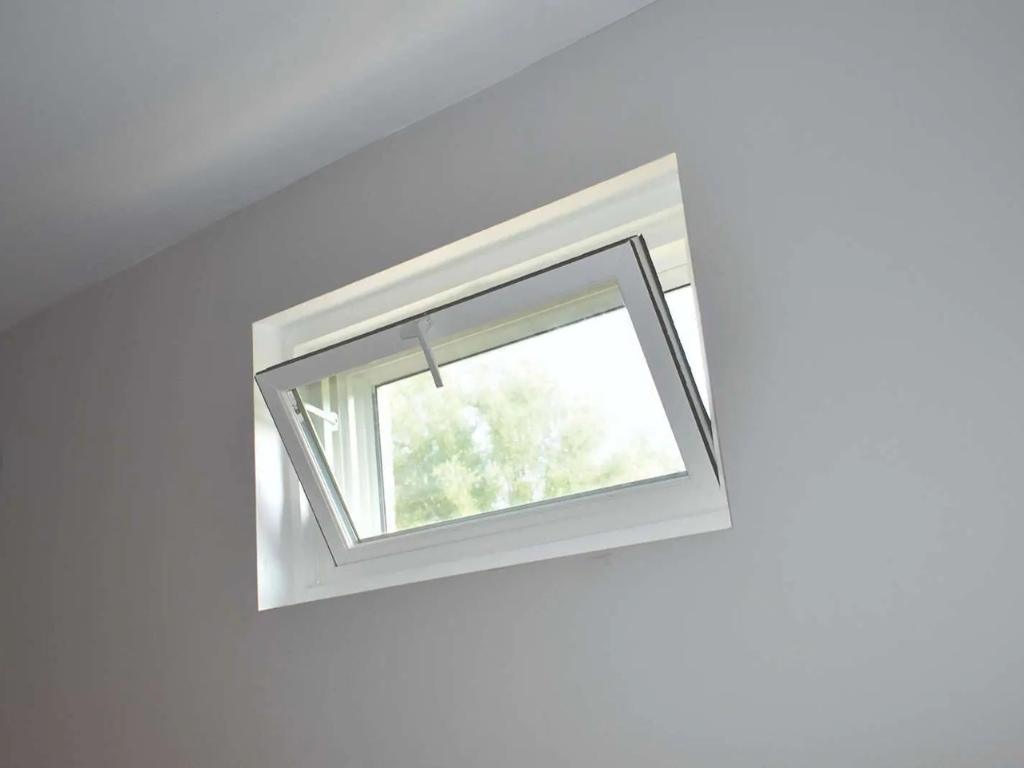
    A hopper window is a small window that opens inward from the top, using hinges placed along the bottom of the frame. It tilts into your home when opened and closes securely against the frame when shut.

    You’ll typically see hopper windows installed in spaces where wall space is limited, such as a basement, laundry room, or small bathroom. 

    They’re not designed to offer wide views or full ventilation like double-hung or large casement windows. Instead, they provide just enough airflow and light where it’s needed most.

    How Do Hopper Windows Open?

    Hopper windows operate on a bottom-hinge mechanism. You unlock a latch or handle located at the top, and the window tilts inward. 

    Some models feature a crank system that provides more control during opening and closing. Others have a simple latch you can release with one hand.

    This inward tilt helps shield the interior of your home from rain, making hopper windows useful in damp environments like bathrooms or laundry areas.

    Because they open inward, they’re easy to open and close without having to reach too far. But that also means they can get in the way of curtains or blinds. So, they work best in areas where you don’t need window treatments or where privacy is already built-in.

    Where Do Homeowners Use Hopper Windows?

    Hopper windows are most often used in specific, space-limited parts of the home. These are places where a standard window may not fit, or where ventilation is still needed despite wall constraints.

    Common places to install hopper windows include:

    • Basements – Where wall height is low and airflow is limited
    • Bathrooms – To let in air and natural light while maintaining privacy
    • Laundry Rooms – To reduce moisture buildup and allow for better air circulation
    • Garage Walls – When you need a small window to brighten up the space

    Some homeowners even install them near ceilings in walk-in closets or hallways for extra light without compromising privacy.

    Pros of Hopper Windows

    Hopper windows offer specific advantages that make them worth considering—especially in areas with space or ventilation concerns.

    Here’s what makes them appealing:

    • Space-saving: Their compact design fits in small or awkward wall spaces, especially in basements and half-baths.
    • Ventilation: Even though they’re small, hopper windows can significantly improve air circulation in enclosed areas.
    • Energy Efficiency: When properly sealed, they offer excellent insulation and reduce drafts. Many models are available with insulated glass.
    • Security: Due to their small size and inward opening, they’re harder to tamper with from the outside.
    • Affordability: Hopper windows are generally less expensive than full-size windows, both in terms of materials and installation.

    Cons of Hopper Windows

    Hopper windows also come with a few limitations. Understanding these upfront can help you make a smarter choice for your home.

    Here are the downsides to consider:

    • Limited View: Their small size means you won’t get much natural light or an open outdoor view.
    • Obstructs Interior Space: Since they open inward, they can interfere with shelves, counters, or curtains if not positioned carefully.
    • Challenging Exterior Cleaning: It can be hard to clean the outside of a hopper window, especially when it’s installed in a deep window well or tight exterior space.
    • Not Suitable for Every Room: Hopper windows don’t work well in living rooms or bedrooms where natural light and visibility are more important.

    Ask yourself: Is this window meant to enhance aesthetics, or does it just need to solve a ventilation or space issue? That distinction will help determine whether hopper windows are the right fit.

    Are Hopper Windows Energy-Efficient?

    Yes, hopper windows can be energy-efficient if you choose models with the right features.

    Because they seal tightly against the frame when closed, they’re less prone to air leaks. Many options are designed with weatherstripping, foam insulation, and multi-pane glass to help maintain indoor temperatures.

    For better performance, look for:

    • Double-pane or Triple-pane Glass: These reduce heat loss and help with sound insulation.
    • Low-E Coatings: Reflect heat and reduce solar gain, especially useful in warmer climates.
    • Energy Star Ratings: These ensure the window meets specific energy-efficiency standards.

    Over time, the energy savings from a well-insulated hopper window can offset its initial installation cost, especially in drafty areas like basements.

    Can You Install Hopper Windows Yourself?

    Technically, yes. But it’s not a simple task.

    Installing a hopper window requires precise framing, sealing, and waterproofing, especially if it’s going into a foundation wall or replacing an old unit. A poor installation can lead to water intrusion, air leaks, or mold issues.

    DIY installation might work if:

    • You’re replacing a same-size window in an accessible area.
    • You have experience with cutting and framing.
    • You’re confident in sealing and flashing techniques.

    However, it’s often better to hire a professional, especially for basement installs or code-compliant replacements. An expert can ensure that the window fits properly, prevents moisture issues, and meets your local building codes.

    Should You Replace an Old Basement Window With a Hopper Style?

    In many homes, yes.

    Older basement windows, especially metal-framed or glass block types, often don’t open. They let in little air and may leak or fog up with condensation.

    Replacing these with hopper windows offers multiple benefits:

    • Better Airflow – Helps dry out damp basement spaces.
    • Improved Insulation – New materials and seals reduce drafts.
    • Modern Look – Updates the appearance without major remodeling.

    If you’re finishing your basement or trying to improve airflow in a low-wall area, hopper windows offer one of the most straightforward upgrades you can make.

    The Bottom Line

    Hopper windows fill a specific need in residential construction. They’re compact, functional, and ideal for spaces where standard windows won’t work.

    If you’re looking to improve airflow in a basement, bathroom, or laundry room without breaking your budget, they’re a smart option.

    Need help picking the right size or model? Ameritech Windows can walk you through available options and recommend the best fit for your space and budget.


    GET FREE QUOTE!

    Promo Ending Soon 05-01-2026

    SPRING SAVINGS Event
    Limited Time Only

    Colorado’s Premier Window & Door Specialists
    $395 OFF EACH WINDOW
    $795 OFF EACH DOOR
    $0 DOWN • 24 MONTHS NO INTEREST

    *With approved credit. See representative for details.

    Four-window minimum • New customers only
    Locally owned and operated in Colorado for over 30+ years

    Refresh Your Home for Spring — Lock In Your Savings Today

    Minimum purchase does apply and cannot be combined with any other discounts.*

    Deal is for first time customers only.**


    By submitting this form, I verify that the number provided is my mobile telephone number and I provide my express written consent for Ameritech Windows to contact me at this number via phone, email, and text message (SMS) using automated dialing technology for marketing purposes. I agree to the
    Terms and Conditions and
    Privacy Policy.
    Consent is not a condition of purchase. Message and data rates may apply. To opt out at any time, you may reply STOP to any text message or notify Ameritech Windows by telephone.

  • What Are Garden Windows? Benefits & Best Uses Explained

    What Are Garden Windows? Benefits & Best Uses Explained

    A garden window does more than improve your view—it gives you light, fresh air, and a little extra space you’ll actually use. In this guide, you’ll learn exactly what garden windows are, where they work best in your home, and what to think about before you start the installation. 

    Whether you’re looking to grow herbs indoors or just want more sunlight in your kitchen, this will help you decide if it’s the right upgrade for you.

    What Is a Garden Window?

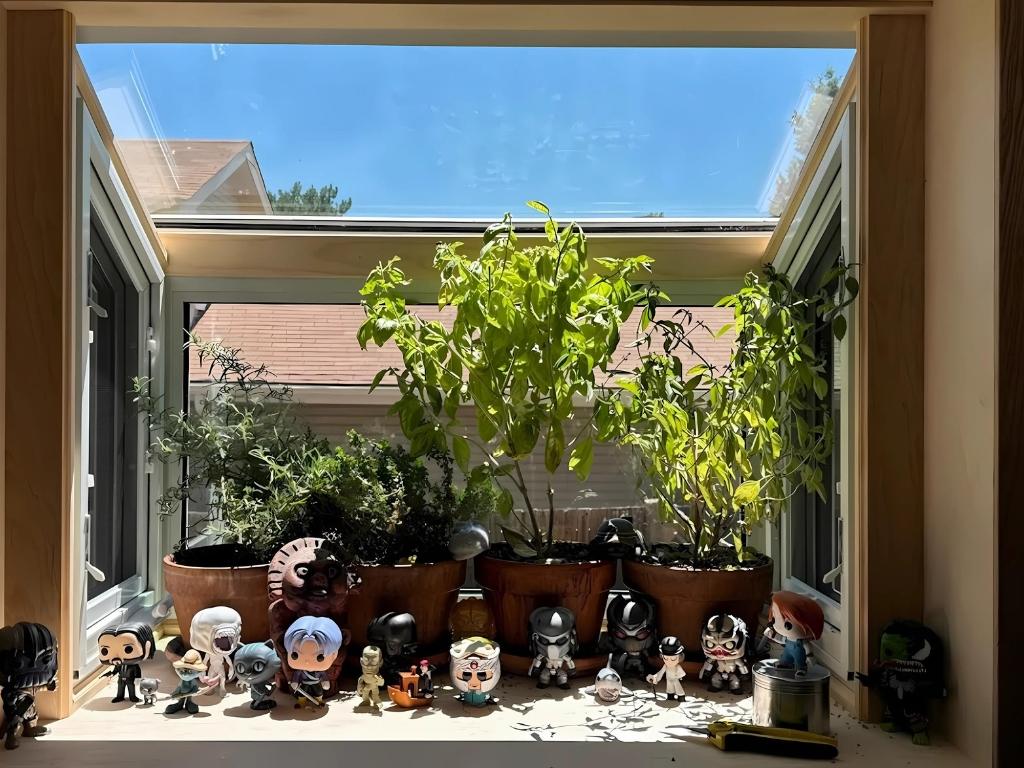
    A garden window is a three-dimensional window unit that extends outward from your home’s exterior wall. It’s similar to a small bay window but designed specifically to serve as a mini-greenhouse.

    Notable differences from conventional windows include the following:

    • It protrudes 12 to 24 inches outward, creating a shelf space.
    • It has glass on four sides: the front, two angled sides, and the top.
    • Some include casement-style side panels for ventilation.

    Garden windows are usually installed above kitchen sinks or counters, where you can place herbs, small plants, or decorative items. They’re functional, attractive, and bring more sunlight into your home.

    Why Homeowners Choose Garden Windows

    Garden windows come with several practical benefits that go beyond appearance. From adding natural light to creating space for plants or storage, here’s why many homeowners see them as a smart upgrade.

    1. More Natural Light

    Garden windows are designed with angled glass panels that let sunlight in from multiple directions. This makes a noticeable difference in rooms that usually feel dim or rely heavily on overhead lighting. 

    If your kitchen or laundry room doesn’t get much natural light, a garden window can brighten the space throughout the day without the need for extra fixtures.

    2. Better Ventilation

    Many garden windows include side panels that open outward. These vents create natural airflow, which helps cool the room and release moisture or cooking odors. 

    In kitchens, this feature is especially useful when prepping food or running appliances. It also benefits your plants, giving them the fresh air they need to thrive indoors.

    3. Indoor Garden or Storage Space

    The shelf area built into a garden window gives you extra space you can actually use. Whether you grow herbs like basil or parsley, or simply display a few succulents, the setup keeps plants within reach and in full view. 

    You can also use it for lightweight storage—cookbooks, small jars, or decorative bowls all fit well and stay easily accessible.

    4. Enhanced Outdoor Views

    Because the window extends outward, it gives you a wider, more open view than a flat window. This makes small rooms feel bigger and more connected to the outside world. 

    You get a clearer look at your yard, garden, or patio, whether you’re cooking, cleaning, or just enjoying your space.

    5. Architectural Detail

    A garden window changes how a room looks and feels, both inside and out. From the curb, it adds depth and character to your home’s exterior. Inside, it becomes a functional focal point that’s more than just a window. 

    These design improvements can add real value, especially if you plan to sell your home in the future.

    Best Places to Install Garden Windows

    Not every room or wall is suitable for a garden window. Choose locations that offer the right balance of light, visibility, and convenience.

    ✔ Kitchen Sink

    The kitchen sink is the most popular location for a garden window—and for good reason. It brings in natural light right where you prepare meals, wash dishes, and spend time throughout the day. 

    The built-in shelf offers a perfect spot for small potted herbs, adding freshness and function to your kitchen.

    It’s also one of the easiest places to care for plants, since it’s within arm’s reach and close to a water source. Most kitchen sink areas already have ventilation or an existing window, which makes window installation more straightforward and cost-effective.

    ✔ Laundry Room

    A garden window can transform a basic laundry room into a more pleasant space. The extra sunlight helps brighten a part of the home that often feels closed off or forgotten. 

    The added shelf also serves a practical purpose: holding detergents, dryer sheets, or even a few low-maintenance plants.

    Natural light makes the room feel larger, and the view outside adds a little relief from the task-focused environment. It’s a simple way to make laundry less of a chore while adding warmth to the space.

    ✔ Breakfast Nook or Dining Area

    In a breakfast nook or small dining space, a garden window can improve the entire feel of the room. It lets in gentle morning or midday light, creating a relaxed and inviting spot to enjoy meals.

    If your eating area is compact, the window adds openness without changing the room’s layout. It also allows for airflow during warmer months and gives you a place to display small décor items, plants, or seasonal accents that tie into your home’s style.

    Locations to Avoid

    Some spots in your home may not be ideal for a garden window. Here’s where installation can cause more trouble than benefit:

    • Behind large appliances or furniture: If the window is blocked, it becomes hard to access for cleaning, watering plants, or opening the vents.
    • Facing a neighbor’s window or close property line: This can create privacy concerns and uncomfortable sightlines for both households.
    • South-facing walls in hot climates: Without UV-blocking glass, too much direct sunlight can lead to overheating and increase cooling costs.
    • Areas without structural support: Installing a window in a wall not built for the added weight may require expensive framing or reinforcement.
    • Rooms where moisture is a concern but ventilation is limited: Poor airflow can cause condensation to build up, which may damage surrounding materials over time.

    Before you choose a location, think about how the space is used and whether the window will remain practical day to day.

    Materials and Customization Options

    Garden windows come in a variety of materials and configurations. Each option impacts cost, maintenance, and long-term durability.

    Frame Materials

    • Vinyl: Vinyl is the most popular choice because it offers energy efficiency, low maintenance, and affordability.
    • Wood: Wood provides a warm, natural look but requires regular sealing and painting to stay in good condition.
    • Fiberglass: Fiberglass is strong, stable in extreme weather, and long-lasting, though it tends to be more expensive.
    • Aluminum: Aluminum is lightweight and durable, but it can transfer heat unless it includes a thermal break.

    Glass Options

    • Double-pane or Triple-pane: These glass types provide insulation, helping to reduce heat transfer and improve energy efficiency.
    • Low-E Coating: Low-E coating reflects UV rays, which helps lower indoor temperatures and prevents fabric and surface fading.
    • Tempered Glass: Tempered glass is more resistant to breaking, making it a safer option for high-impact areas.

    Features and Add-ons

    • Operable Side Vents: These vents can be opened to allow airflow, improving ventilation in kitchens, laundry rooms, or small spaces.
    • Shelves: Built-in glass or wood shelves provide extra space for displaying plants, storing kitchen items, or adding decorative touches.
    • Custom Grilles: Grilles can be customized to match the design of your existing windows for a consistent appearance.
    • Interior Color/Finish: Garden windows are available in finishes like white, tan, or woodgrain to blend with your interior style.

    Are Garden Windows Energy Efficient?

    They can be, as long as you choose the right materials and features. Energy efficiency depends on:

    • Insulated Glass: Double or triple panes reduce heat transfer
    • Tight Seals: Prevent drafts, condensation, and moisture damage
    • Frame Construction: Vinyl and fiberglass insulate better than aluminum
    • Glass Treatments: Low-E coatings reduce sun’s heat while letting in light

    Warning: Poorly installed or single-pane units can lose heat in winter and allow excess heat in summer. That can cancel out the benefits.

    If energy savings matter to you, check for ENERGY STAR® certified units and ask about the U-factor and SHGC (Solar Heat Gain Coefficient) ratings before buying.

    Pros of Garden Windows

    • Brings in more light and airflow
    • Adds usable indoor shelf space
    • Boosts resale appeal in most markets
    • Customizable to your home’s design
    • Great for indoor gardening or small displays

    Cons of Garden Windows

    • Higher upfront cost than flat windows
    • Needs cleaning on multiple glass surfaces
    • May require structural changes to install
    • Less privacy than traditional windows
    • Some models may protrude into walkways or exterior paths

    Ask Yourself

    Is the added light, space, and visibility worth the cost and upkeep? If the answer is yes, then a garden window is a smart upgrade.

    Is a Garden Window Right for Your Home?

    This type of window is worth considering if:

    • You want to grow herbs, succulents, or plants indoors
    • Your kitchen or laundry room feels dark or boxed in
    • You like opening up the view to your yard or garden
    • You’re planning a kitchen remodel and want more light without removing walls

    It may not be the right choice if:

    • You’re on a tight renovation budget
    • You need full privacy in the room
    • Your wall space is blocked or hard to access

    If you’re still unsure, consult with a window specialist who can evaluate your home’s layout and needs.

    Why Homeowners Choose Ameritech Windows

    At Ameritech Windows, we’ve helped thousands of Colorado homeowners upgrade their spaces with energy-efficient, well-crafted garden windows.

    We offer:

    • Custom window sizing and design
    • High-performance vinyl and glass
    • Precision installation from trained technicians
    • Clear pricing with no hidden fees

    You get a window that lasts, and a team that stands behind it. Want to learn more? Call now or request a free in-home consultation.


    GET FREE QUOTE!

    Promo Ending Soon 05-01-2026

    SPRING SAVINGS Event
    Limited Time Only

    Colorado’s Premier Window & Door Specialists
    $395 OFF EACH WINDOW
    $795 OFF EACH DOOR
    $0 DOWN • 24 MONTHS NO INTEREST

    *With approved credit. See representative for details.

    Four-window minimum • New customers only
    Locally owned and operated in Colorado for over 30+ years

    Refresh Your Home for Spring — Lock In Your Savings Today

    Minimum purchase does apply and cannot be combined with any other discounts.*

    Deal is for first time customers only.**


    By submitting this form, I verify that the number provided is my mobile telephone number and I provide my express written consent for Ameritech Windows to contact me at this number via phone, email, and text message (SMS) using automated dialing technology for marketing purposes. I agree to the
    Terms and Conditions and
    Privacy Policy.
    Consent is not a condition of purchase. Message and data rates may apply. To opt out at any time, you may reply STOP to any text message or notify Ameritech Windows by telephone.

  • Replacement Bow Windows: What They Are and Why Your Home Needs Them

    Replacement Bow Windows: What They Are and Why Your Home Needs Them

    Not loving how your current windows look or how they perform? If they’re drafty, outdated, or just don’t match your home’s vibe anymore, it might be time for a change.

    Replacement bow windows could be the upgrade you didn’t know you needed. They bring in more light, add style, and even give you a bit more space.

    Let’s break down what they are, how they work, and why they might be a great fit for your home.

    What Is a Replacement Bow Window?

    A bow window is a curved, multi-panel window that extends outward from the wall of your home. Most include four to six equally sized window units arranged in a gentle arc.

    A replacement bow window is when you take out an old window—whether it’s a flat unit or an aging bow window—and install a new, upgraded version in its place.

    This upgrade is usually done to:

    • Improve energy efficiency
    • Boost natural light
    • Add character to your home
    • Expand the usable interior space

    Why Homeowners Choose Bow Windows

    If you’re replacing old windows, bow windows offer more than just a style upgrade. They can brighten up a space, add usable room, and even help with energy costs.

    Here are five practical benefits that make replacement bow windows a smart home improvement.

    1. They Let in More Light

    Because of their curved design, bow windows bring in light from several angles. This helps brighten up darker rooms that might only get light from one direction.

    You’ll likely find yourself turning on lights less during the day, which can make the whole space feel more open and welcoming.

    2. They Provide a Wider View

    Bow windows give you a broader, more open view of the outdoors. You can see more of your yard, garden, or street compared to a standard flat window. 

    It’s also a nice way to keep an eye on your kids or pets while they’re outside without needing to step out.

    3. They Add Extra Space

    Bow windows gently extend out from your home, which creates a little more interior space. That extra area is perfect for a window bench, plant display, or a small reading nook. It’s not a huge change, but it adds flexibility to how you use the room.

    4. They Improve Curb Appeal

    From the outside, bow windows add shape and dimension to flat exterior walls. They give your home a more finished, distinctive look—especially if the rest of the design feels plain. This kind of upgrade often makes a strong impression on potential buyers too.

    5. They Can Improve Energy Efficiency

    New bow windows are built with energy performance in mind. You’ll typically get double- or triple-pane glass, insulated frames, and coatings that help reflect heat.

    All of this works together to block drafts and keep temperatures stable, which can help reduce your energy bills over time.


    When Should You Replace a Bow Window?

    Wondering if it’s the right time? Check for the following signs that tell you it’s time to replace your bow windows:

    • Drafts or cold air near the window
    • Rotting or damaged frames
    • Foggy glass or moisture between panes
    • Difficulty opening or closing panels
    • Outdated or mismatched design

    If your current window has any of these issues, replacing it now can prevent further damage and higher energy bills.

    What’s the Difference Between Bow and Bay Windows?

    They’re often confused—but they’re not the same. Bow windows give a smoother curve and a broader view. Bay windows project more sharply and have a more angular design.

    Feature Bow Window Bay Window
    Shape Curved Angled
    Panels 4–6 equal-sized 3 panels (center + 2 sides)
    View Wider, continuous More segmented
    Style Softer appearance Sharper lines

    Choosing between them comes down to your space, your home’s style, and personal preference.

    Common Frame Materials for Replacement Bow Windows

    When you upgrade, you’ll choose the frame material too. Check out the pros and cons of each type below.

    Vinyl

    • Affordable and low-maintenance
    • Good insulation
    • Available in various colors
    • Less custom-looking

    Fiberglass

    • Strong and weather-resistant
    • Energy-efficient
    • Can mimic wood
    • Higher cost

    Wood

    • Warm, traditional look
    • Paintable and stainable
    • High maintenance
    • Vulnerable to moisture

    Composite

    • Made from a mix of wood fibers and polymers
    • Resistant to rot and warping
    • Good energy performance
    • Mid- to high-range cost

    Functional Options: Fixed vs. Operable Panels

    Most bow windows include a mix of fixed and operable window units. Your mix will depend on what room it’s in and how much airflow you want.

    Fixed

    • Do not open
    • More energy-efficient
    • Offers clean views

    Casement

    • Hinged on the side, open outward
    • Great for ventilation
    • Easy to clean

    Double-Hung

    • Both sashes slide vertically
    • Easy to control airflow
    • Suitable for classic home styles

    What About Installation?

    Installing a replacement bow window is not like swapping in a standard window. It’s more complex.

    It requires:

    • Cutting into your home’s wall
    • Ensuring structural support
    • Managing weight and projection
    • Weatherproofing all edges

    This is not a DIY job. Hire a licensed professional to:

    • Assess your home’s structure
    • Match the new window to your siding and interior
    • Ensure a tight, energy-efficient seal
    • Avoid long-term issues like sagging or leaks

    A bad install can cost you more over time than doing it right the first time.

    How Much Do Replacement Bow Windows Cost?

    The cost varies depending on:

    • Window size and panel count
    • Frame and glass materials
    • Customization and hardware
    • Installation complexity

    Average cost: $3,500 to $10,000+ including professional installation.

    Yes, it’s a significant investment—but it’s also one that:

    • Reduces your energy bills
    • Increases home value
    • Adds daily comfort and enjoyment

    Before committing, ask for a detailed estimate and compare energy efficiency ratings.

    Is a Bow Window Right for Your Home?

    It depends on your space and goals.

    Bow windows are ideal if you:

    • Want more light and space in a key room
    • Have a flat window area that needs upgrading
    • Live in a home with traditional or transitional style
    • Can accommodate the outward projection

    But they may not be suitable if:

    • There’s limited exterior space
    • Your wall can’t support the added weight
    • You’re on a tight budget

    A professional installer can check these factors and suggest options that fit your home. Avoid costly mistakes—trust Ameritech Windows for professional, reliable installation that’s done right the first time. Contact us today for a free consultation.

    Get More from Your Home with a Better Window

    Bow windows aren’t just decorative. They change how your home works:

    • More daylight
    • Wider views
    • Additional room
    • Lower energy waste

    If you’re thinking about upgrading a window, replacing it with a bow design can deliver noticeable daily benefits.

    Talk to Ameritech Windows Today

    Ameritech Windows help homeowners choose and install the right replacement bow windows for long-term comfort, beauty, and efficiency. 

    Our experienced team can guide you through every step—from design to installation. Contact us for a free consultation and estimate.


    GET FREE QUOTE!

    Promo Ending Soon 05-01-2026

    SPRING SAVINGS Event
    Limited Time Only

    Colorado’s Premier Window & Door Specialists
    $395 OFF EACH WINDOW
    $795 OFF EACH DOOR
    $0 DOWN • 24 MONTHS NO INTEREST

    *With approved credit. See representative for details.

    Four-window minimum • New customers only
    Locally owned and operated in Colorado for over 30+ years

    Refresh Your Home for Spring — Lock In Your Savings Today

    Minimum purchase does apply and cannot be combined with any other discounts.*

    Deal is for first time customers only.**


    By submitting this form, I verify that the number provided is my mobile telephone number and I provide my express written consent for Ameritech Windows to contact me at this number via phone, email, and text message (SMS) using automated dialing technology for marketing purposes. I agree to the
    Terms and Conditions and
    Privacy Policy.
    Consent is not a condition of purchase. Message and data rates may apply. To opt out at any time, you may reply STOP to any text message or notify Ameritech Windows by telephone.

  • Replacement Bay Windows: Everything You Need to Know Before You Buy

    Replacement Bay Windows: Everything You Need to Know Before You Buy

    Bay windows bring in extra sunlight, give you a cozy spot to sit in, and add a nice touch to your home’s design. But if yours feel drafty, look outdated, or just aren’t working like they used to, it might be time to replace them.

    Here’s a quick breakdown of what to know before buying replacement bay windows—so you can make a smart choice that fits your home and budget.

    What Is A Replacement Bay Window?

    A replacement bay window is a pre-assembled unit that fits into your existing opening, replacing the old window without changing your wall structure. Most bay windows include:

    • A large fixed center window
    • Two smaller operable or fixed windows angled on each side
    • A frame that extends outward, creating a small ledge or seating nook

    The side windows can be casement, double-hung, or fixed. Bay windows are often found in living rooms, dining areas, or master bedrooms.

    They’re different from new-construction windows, which are installed when the wall is built or rebuilt. Replacement windows are designed to preserve your current wall, trim, and framing—saving time and cost.

    When Should You Replace A Bay Window?

    Some homeowners wait until a window fails completely before considering replacement. But delaying repairs can lead to more expensive damage. Watch for these signs:

    • Drafts or cold air – Even with closed windows, you feel temperature changes
    • Foggy or cloudy glass – This usually means the seal between panes is broken
    • Warped or rotting frames – Wood frames that are soft or discolored can signal water damage
    • Difficulty opening or locking the window – Warping or poor balance can cause this
    • Visible gaps or water leaks – These can affect your walls and flooring if left alone

    Even if your window still works, age matters. Most bay windows last 15–30 years depending on materials and exposure. If yours is near the end of that range, a replacement may be the smarter long-term choice.

    Benefits of Replacing Your Bay Window

    Upgrading your bay window does more than fix existing issues. It improves energy efficiency, comfort, and aesthetics. Here’s what you gain:

    • Energy savings – Modern windows reduce drafts and lower heating/cooling bills
    • More usable space – Deeper window seats or storage beneath the sill can be added
    • Improved curb appeal – Fresh materials and cleaner lines can update your home’s appearance
    • Noise reduction – Thicker glass and tighter seals help block outdoor sounds
    • UV protection – New windows can block harmful sunlight that fades flooring and furniture

    These benefits aren’t just cosmetic—they can help improve resale value and reduce maintenance.

    What To Look For

    Choosing a replacement window isn’t just about size and shape. You’ll want to evaluate materials, performance features, and layout options.

    Frame Material

    The frame is what holds the glass together. Here’s how common choices compare:

    • Vinyl – Affordable, good insulator, and virtually maintenance-free
    • Wood – Classic look but needs painting and sealing over time
    • Fiberglass – Stronger than vinyl, doesn’t warp, and resists weather damage
    • Composite – Made from multiple materials for strength and insulation

    Your choice will affect cost, durability, and appearance. Vinyl is the most budget-friendly, while fiberglass and composite offer better performance over time.

    Glass Options

    The glass you choose affects energy performance and comfort. Ask your contractor about:

    • Double-pane vs. triple-pane glass – Triple-pane costs more but adds insulation and soundproofing
    • Low-E coatings – Reflect heat while allowing visible light in
    • Gas-filled panes – Argon or krypton gas between panes improves thermal performance

    If your window gets a lot of sun, these upgrades can make a big difference in how your home feels year-round.

    Window Configuration

    You don’t have to match your old window exactly. Ask yourself:

    • Do you want side windows that open for airflow?
    • Would larger side windows enhance your view?
    • Do you need extra seating or shelving below the bay?

    Customizing your window can improve both function and style—without changing the size of the opening.

    How to Measure Bay Windows for Replacement

    Accurate measurements help avoid costly mistakes. Here’s a quick guide:

    • Width: Measure inside the frame from side to side at the top, middle, and bottom. Use the smallest number.
    • Height: Measure from the top of the frame to the sill on the left, center, and right. Use the shortest measurement.
    • Depth: Measure how far the window projects from the wall (inside trim to outside trim).
    • Angle: Most bay windows have 30°, 45°, or 90° angles between sections.

    Use a steel tape measure and avoid rounding. For best results, have a pro confirm before ordering.

    How Much Do They Cost?

    Pricing depends on the size, materials, brand, and installation complexity. On average:

    • Vinyl bay windows range from $2,000 to $3,500
    • Mid-range options with upgraded glass and frames cost $4,000 to $6,000
    • High-end custom windows (wood or composite) can exceed $6,500

    Labor usually adds $500–$1,000, depending on how much structural work is required. If the wall, sill, or exterior cladding needs adjustment, your total cost will increase.

    To stay within budget, get multiple quotes and ask for a breakdown of materials, labor, and disposal fees.

    What’s Involved In The Installation Process?

    Many homeowners don’t realize how detailed bay window installation can be. Here’s what the process includes:

    1. Inspection – A contractor checks the current window, measurements, and framing
    2. Custom ordering – The replacement window is built to fit your opening
    3. Old window removal – The existing bay is taken out carefully, preserving the opening
    4. Prep and repair – Any damage to framing, insulation, or flashing is repaired
    5. New window install – The unit is secured, leveled, and sealed
    6. Interior and exterior finish – Trim is reinstalled or replaced, and joints are caulked

    Most installs take one full day, but homes with water damage or custom siding may take longer.

    Installers often bring their own tarps and protective gear, but it’s still a good idea to move furniture and valuables away from the work area.

    Should You Replace or Repair?

    Not every issue calls for a full replacement. Here’s a quick guide:

    Repair if:

    • The problem is cosmetic (scratches, dings)
    • The sealant or caulking is failing
    • A single pane is cracked, but the frame is intact

    Replace if:

    • The frame is damaged or rotting
    • The glass is foggy or leaking
    • The window no longer opens, closes, or locks properly
    • Your energy bills are rising due to poor insulation

    You should also consider replacement if you’re planning to stay in your home long-term. A new bay window may pay for itself in comfort, resale value, and lower utility costs.

    Questions to Ask Before You Buy

    Before committing to a replacement, ask your contractor these important questions:

    • Are your products ENERGY STAR certified?
    • Who will install the window—your team or a subcontractor?
    • Is your labor warranty separate from the manufacturer’s?
    • What’s the lead time from order to install?
    • Do you take care of permits, if required?

    You deserve clear answers. If a contractor hesitates or dodges, it may be time to look elsewhere.

    Why Homeowners Choose Ameritech Windows

    Ameritech Windows helps homeowners get the most from their replacement bay windows with trusted service, clear pricing, and professional installation.

    We make it easy to upgrade without the pressure. Want expert help choosing the right replacement bay window? Reach out today; let’s talk!


    GET FREE QUOTE!

    Promo Ending Soon 05-01-2026

    SPRING SAVINGS Event
    Limited Time Only

    Colorado’s Premier Window & Door Specialists
    $395 OFF EACH WINDOW
    $795 OFF EACH DOOR
    $0 DOWN • 24 MONTHS NO INTEREST

    *With approved credit. See representative for details.

    Four-window minimum • New customers only
    Locally owned and operated in Colorado for over 30+ years

    Refresh Your Home for Spring — Lock In Your Savings Today

    Minimum purchase does apply and cannot be combined with any other discounts.*

    Deal is for first time customers only.**


    By submitting this form, I verify that the number provided is my mobile telephone number and I provide my express written consent for Ameritech Windows to contact me at this number via phone, email, and text message (SMS) using automated dialing technology for marketing purposes. I agree to the
    Terms and Conditions and
    Privacy Policy.
    Consent is not a condition of purchase. Message and data rates may apply. To opt out at any time, you may reply STOP to any text message or notify Ameritech Windows by telephone.