Category: Blog

  • Triple Pane Windows: The Complete Guide for Colorado Homeowners

    Triple Pane Windows: The Complete Guide for Colorado Homeowners

    Are Triple Pane Windows the Right Choice for Your Colorado Home?

    Living in Colorado means embracing a unique and often demanding climate. From intense sun and high UV exposure at altitude to bone-chilling winters and dramatic daily temperature swings, our homes need to be fortresses of comfort and efficiency. When it’s time for window replacement, one of the most significant decisions you’ll make is choosing between double and triple pane windows. While double pane has been the standard for years, the challenging Colorado environment is making a stronger case for an upgrade.

    This guide will explore the world of triple pane windows, breaking down the science, comparing them directly to their double pane counterparts, and detailing why they are increasingly becoming the smart choice for savvy Colorado homeowners. We’ll look at the costs, the benefits, and what you need to know to make an informed decision for your home’s long-term performance and comfort.

    What Are Triple Pane Windows and How Do They Work?

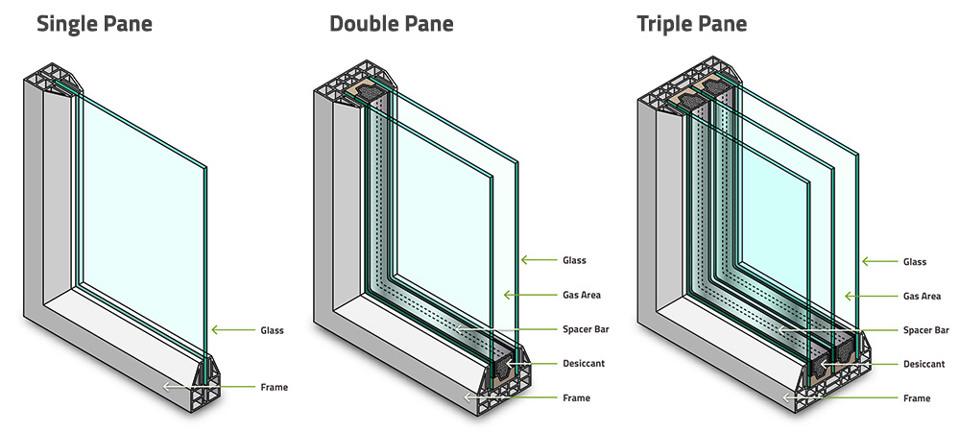
    At its core, a triple pane window is exactly what it sounds like: a window unit constructed with three panes of glass instead of the traditional one or two. But the real magic isn’t just the extra layer of glass; it’s the sophisticated system working between those panes that delivers exceptional performance.

    • Three Panes of Glass: This is the foundation. The third pane creates an additional barrier against heat transfer and sound waves.
    • Two Insulating Air Spaces: The spaces between the three panes of glass are sealed and filled with a dense, inert gas, typically argon or krypton. Because these gases are much denser than air, they dramatically slow the transfer of heat, keeping your home warmer in the winter and cooler in the summer.
    • Low-E Coatings: High-performance triple pane windows feature multiple, invisible layers of Low-Emissivity (Low-E) coatings applied to the glass surfaces. These microscopic metallic layers reflect infrared heat (the heat you feel) back to its source. In winter, it keeps heat inside your home. In summer, it reflects the sun’s heat away. This is a critical component in understanding what makes a window truly energy-efficient.
    • Warm-Edge Spacers: The spacers that hold the glass panes apart are a common point of energy loss. Modern triple pane windows use “warm-edge” spacers made of low-conductivity materials to keep the edges of the glass warmer, improving insulation and reducing the risk of condensation.

    Together, these components create a formidable barrier that insulates your home far more effectively than older window technologies.

    Triple Pane Windows vs Double Pane: A Head-to-Head Comparison

    When you’re comparing window performance, you’ll often hear two terms: U-factor and R-value. They are the key metrics for understanding insulation.

    U-factor measures how well a window prevents heat from escaping. The lower the U-factor, the better the window is at insulating. Triple pane windows can achieve U-factors of 0.20 or even lower, while high-quality double pane windows typically land in the 0.25 to 0.30 range.

    R-value is the inverse of U-factor and measures resistance to heat flow. Here, a higher number is better. A standard double pane window might have an R-value of R-3 to R-4, while a triple pane window can easily reach R-5 to R-7 or higher. For homeowners deciding between double and triple pane windows, these numbers represent a significant leap in performance.

    Here’s a quick breakdown of how they stack up:

    Metric High-Performance Double Pane High-Performance Triple Pane
    U-Factor ~0.25 to 0.30 ~0.20 or lower
    R-Value R-3 to R-4 R-5 to R-7+
    Noise Reduction Good Excellent
    UV Protection Good (with Low-E) Superior (multi-surface Low-E)
    Upfront Cost Lower Higher
    A comparison showing the performance advantages of triple pane windows.

    The Unmatched Benefits of Triple Pane Windows for Colorado Homeowners

    While triple pane windows offer benefits anywhere, they feel tailor-made for Colorado’s unique and challenging environment. Here’s why they are an especially powerful upgrade for homes along the Front Range and beyond.

    Superior Energy Efficiency for High-Altitude Living

    Colorado has over 5,600 “heating degree days” on average, a measure of how much energy is needed to heat a building. Our high altitude also means the atmosphere is thinner, providing less natural insulation from the sun’s heat in the summer and cold air in the winter. The superior R-value of triple pane energy-efficient windows provides a thermal barrier that directly combats this, helping to lower your heating and cooling costs. Over the life of the windows, this can translate into significant savings and help you minimize your electric bills.

    Enhanced UV Protection in the Mile High Sun

    At 5,280 feet, Denver receives about 25% more intense UV radiation than cities at sea level. This harsh sunlight can fade your furniture, flooring, and artwork over time. Triple pane windows, equipped with multiple surfaces for advanced Low-E coatings, can block up to 95% of harmful UV rays without dimming the beautiful Colorado view. It’s like applying sunscreen to your entire home.

    Stability During Drastic Temperature Swings

    It’s not uncommon for the temperature in Denver to swing 40 degrees or more in a single day. These rapid changes put immense stress on a home’s building envelope. The robust insulating power of triple pane windows creates a more stable indoor temperature, meaning your HVAC system isn’t constantly struggling to keep up with the fluctuating outdoor conditions.

    Significant Noise Reduction for a Quieter Home

    As our communities grow, so does the ambient noise. Whether you live near I-25, under a flight path for DIA, or simply in a bustling neighborhood, outside noise can disrupt your peace. The three panes of glass and two gas-filled chambers in a triple pane window create an exceptional sound-dampening system. The varied thickness of the glass and the gas layers effectively break up sound waves, creating a noticeably quieter and more serene indoor environment for homeowners across the Denver metro area and Front Range.

    Drastically Reduced Condensation

    Colorado’s dry winter air can be deceptive. When that dry, cold air hits a poorly insulated window, the warm, moist air inside your home can cause condensation to form on the glass. This moisture can damage window sills and even lead to mold. Because the interior pane of glass in a triple pane unit stays much closer to room temperature, the potential for condensation is virtually eliminated.

    Unbeatable Year-Round Comfort

    Ultimately, all these benefits add up to one thing: superior comfort. No more feeling a chill when you sit near a window in January. No more “hot spots” in a room from intense summer sun. Triple pane windows create a consistent, comfortable living space you can enjoy year-round, regardless of what the Colorado weather is doing outside.

    Understanding Triple Pane Windows Cost: An Investment in Your Home

    Let’s address the big question: what is the triple pane windows cost? It’s true that triple pane windows have a higher upfront cost, typically running 15% to 25% more than their double pane counterparts. This is a significant factor to consider in the double vs triple pane windows cost analysis.

    However, it’s crucial to view this not as an expense, but as an investment. The superior energy efficiency leads to lower monthly utility bills, allowing the windows to pay for themselves over time. Furthermore, the enhanced comfort, noise reduction, and UV protection add significant value to your quality of life at home. In a competitive real estate market, high-performance windows are also a powerful selling feature that can increase your home’s resale value.

    When Do Triple Pane Windows Make the Most Sense in Colorado?

    Given Colorado’s climate, an argument can be made that triple pane windows are almost always the superior choice for any home. However, they are especially beneficial in certain situations:

    • North-Facing Windows: These windows receive little to no direct sunlight in the winter, making them a major source of heat loss. The extra insulation of triple pane is invaluable here.
    • High-Altitude Homes: If you live in the foothills or mountains, the climate is even more extreme. Triple pane is the standard for comfort and efficiency.
    • Older Homes: If you’re upgrading from old single pane or early-generation double pane windows, the leap in performance with new triple pane replacement windows will be astounding.
    • Homes Near Noise Sources: For homes near busy roads, airports, or train tracks, the acoustic insulation is a primary benefit.
    • Pursuing Maximum Efficiency: For homeowners aiming for a “net-zero” or Passive House standard, triple pane windows are a foundational requirement.

    Meeting and Exceeding Modern Energy Standards

    The push for greater home efficiency is not just a trend; it’s being written into building codes and standards. The latest ENERGY STAR 7.0 criteria have significantly raised the bar for window performance, especially in colder climates. Colorado is designated in the “Northern” climate zone, where the new standards are so stringent that triple pane construction is often necessary to comply. By choosing triple pane windows today, you are future-proofing your home and ensuring it meets or exceeds the highest standards for years to come. For more information on what makes a window efficient, you can consult the Department of Energy’s comprehensive guide to energy-efficient windows.

    Choosing the Best Triple Pane Windows: What to Look For

    Not all triple pane windows are created equal. The glass is only one part of the equation. To get the maximum benefit, you need to consider the entire window system.

    Frame Materials Matter

    The window frame plays a huge role in overall insulation and durability. While standard vinyl is common, it can be prone to expansion and contraction in Colorado’s temperature swings, potentially leading to seal failure over time. At Ameritech, we recommend advanced hybrid vinyl-composite frames. These frames offer the low-maintenance benefits of vinyl with the strength and stability of a composite material, ensuring a tight seal and peak performance for decades.

    The Critical Role of Professional Installation

    You can invest in the best window in the world, but if it’s installed improperly, its performance will be severely compromised. Gaps, improper sealing, and poor flashing can lead to drafts, water intrusion, and a complete loss of energy efficiency. Proper window installation is a craft that requires precision, training, and experience. It is not an area to cut corners, and the debate of DIY vs. professional installation almost always favors the pros for a project of this importance. Our certified Master Installers ensure every window is fitted perfectly to provide the airtight seal necessary for triple pane performance.

    Ready to Experience the Triple Pane Difference?

    Upgrading your windows is one of the most impactful improvements you can make to your Colorado home. Triple pane windows offer a superior solution for energy efficiency, comfort, and quiet that is perfectly suited to our demanding climate. If you’re tired of high energy bills, drafty rooms, and outside noise, it might be time to see what a modern window system can do for you.

    If you have questions or are ready to explore your options, we invite you to request a free, no-obligation quote. Our team at Ameritech Windows & Doors is here to help you find the perfect solution for your home.


    Frequently Asked Questions About Triple Pane Windows

    Are triple pane windows worth the extra cost?

    For most Colorado homeowners, yes. While the upfront cost is higher (typically 15-25% more than double pane), the long-term energy savings, superior comfort, significant noise reduction, and enhanced UV protection provide a return on investment that goes beyond just money. They also increase your home’s resale value.

    How much energy can triple pane windows save?

    The exact savings depend on your home’s existing windows, insulation, and local energy costs. However, high-performance triple pane windows can be up to 50% more efficient than standard double pane windows and can reduce a home’s overall energy consumption for heating and cooling by a significant margin, often paying for themselves over their lifespan.

    Do triple pane windows reduce noise?

    Yes, significantly. The two air/gas chambers and three panes of glass (often of varying thicknesses) work together to disrupt sound waves much more effectively than double pane windows. This makes them an excellent choice for homes near busy streets, airports, or other noisy environments.

    How long do triple pane windows last?

    A high-quality, professionally installed triple pane window should last 20 to 30 years or even longer. The lifespan depends on the quality of the frame materials, the integrity of the seals, and the quality of the installation. Choosing a durable frame like a vinyl-composite hybrid is key to longevity.

    Are triple pane windows necessary in Colorado?

    While not strictly “necessary” in all cases, they are highly recommended for maximizing comfort and energy efficiency in Colorado’s unique climate. Given the high altitude, intense sun, and large temperature swings, the performance benefits of triple pane windows are more pronounced here than in more moderate climates, making them a very smart investment.
    GET FREE QUOTE!

    Promo Ending Soon 05-01-2026

    SPRING SAVINGS Event
    Limited Time Only

    Colorado’s Premier Window & Door Specialists
    $395 OFF EACH WINDOW
    $795 OFF EACH DOOR
    $0 DOWN • 24 MONTHS NO INTEREST

    *With approved credit. See representative for details.

    Four-window minimum • New customers only
    Locally owned and operated in Colorado for over 30+ years

    Refresh Your Home for Spring — Lock In Your Savings Today

    Minimum purchase does apply and cannot be combined with any other discounts.*

    Deal is for first time customers only.**


    By submitting this form, I verify that the number provided is my mobile telephone number and I provide my express written consent for Ameritech Windows to contact me at this number via phone, email, and text message (SMS) using automated dialing technology for marketing purposes. I agree to the
    Terms and Conditions and
    Privacy Policy.
    Consent is not a condition of purchase. Message and data rates may apply. To opt out at any time, you may reply STOP to any text message or notify Ameritech Windows by telephone.

  • Hybrid Windows: Why Vinyl and Composite Together Outperform Either One Alone

    Hybrid Windows: Why Vinyl and Composite Together Outperform Either One Alone

    What Are Hybrid Composite-Vinyl Windows?

    A hybrid composite-vinyl window is an advanced design that features a weatherproof vinyl exterior bonded to a structural composite substructure. Think of it as two windows fused into one. The outer layer of premium vinyl provides a maintenance-free, weather-resistant shield. The inner layer, a rigid composite skeleton, provides the strength, rigidity, and durability that standard vinyl windows lack.

    If you could take an X-ray of one of these frames, you wouldn’t see a hollow or foam-filled chamber. Instead, you’d see a solid composite substructure running through the entire sash and frame, like the bones in your body. This composite core is the window’s structural backbone, providing the rigidity needed to support heavy glass and prevent warping for decades.

    This is fundamentally different from most vinyl replacement windows on the market. The vast majority of vinyl frames are either completely hollow or filled with a bit of foam insulation. Some may have a small metal or composite stiffener screwed into a single chamber, but this is a far cry from a fully integrated composite substructure. It’s the difference between having a true skeleton and just having a metal plate in one bone. This hybrid construction is what makes these some of the best replacement windows you can invest in for your home.

    Why Vinyl Alone Falls Short Over Time

    Vinyl is the most common material for replacement windows for a few good reasons. It’s affordable, the color is integrated so it never needs painting, and it provides a good seal against the elements. For the exterior-facing part of a window, it’s an excellent, low-maintenance choice. However, as a structural material, vinyl has significant weaknesses that reveal themselves over the years.

    The main problem is its lack of rigidity and its tendency to expand and contract with temperature changes. Over time, hollow or foam-filled vinyl frames can start to warp, sag, or bow under the weight of the glass and the stress of daily use. This is especially true in a climate like Colorado’s, where a window can experience a 60-degree temperature swing in a single day. This constant movement can cause seals to fail, frames to distort, and locks to become misaligned.

    Furthermore, the structural integrity of a typical vinyl frame is simply not that high. Because the material is relatively soft and often hollow, screws for locks and hardware have less material to bite into. This can lead to loose hardware, compromised security, and operational issues down the road. Many homeowners are surprised to learn what’s hidden inside most window frames and how it affects long-term performance.

    What Does a Composite Substructure Actually Do?

    A composite substructure is the structural core of a hybrid window, and its job is to provide the strength and stability that vinyl alone cannot. This isn’t just a piece of insulation or a small reinforcement bar; it’s a solid, engineered material that forms the entire internal skeleton of the window frame and sash. The U.S. Department of Energy notes that composite frame materials offer the same or better structural and thermal properties as conventional wood, with superior moisture and decay resistance. According to ENERGY STAR®, composite frames are known for being “durable, low maintenance, [and] well-insulated.”

    The primary function of this composite backbone is to eliminate warping, sagging, and bowing. Unlike vinyl, this composite material is incredibly rigid and thermally stable. It doesn’t expand, contract, or soften with temperature changes, ensuring the window frame remains perfectly square and true for its entire service life. This means your window will operate as smoothly in 30 years as it did on day one.

    This structural rigidity also provides a huge advantage for security and durability. Hardware, locks, and hinges are anchored directly into the solid composite substructure, not into a thin wall of hollow vinyl. This provides superior screw retention, creating a much more secure and solid window that can stand up to daily use and potential forced entry attempts. The difference in material performance is significant.

    Feature Vinyl-Only Composite-Only Hybrid (Vinyl + Composite)
    Structural Strength Low High High
    Warp/Sag Resistance Low (Prone to distortion) High High
    Exterior Maintenance Low (No painting needed) Low to Moderate (Can require painting) Low (Vinyl exterior)
    Insulation Value Good (If foam-filled) Good Excellent (Combines materials)
    Cost Low High Moderate to High
    Longevity Fair (Can degrade over time) Excellent Excellent

    How Does Triple-Pane Glass Complete the Package?

    A strong frame is essential, but the glass is what does most of the work in an energy-efficient window. A hybrid frame with a composite substructure is the perfect platform for high-performance triple pane windows. The extra pane of glass and additional layer of insulating gas make triple-pane units significantly heavier than double-pane. A weak, hollow vinyl frame can struggle to support this weight, leading to premature sagging and seal failure. A composite-reinforced frame, however, is more than strong enough to handle the load without breaking a sweat.

    The performance leap is dramatic. Research from the U.S. Department of Energy’s Lawrence Berkeley National Lab shows that upgrading from typical double-pane to modern energy efficient windows with triple-pane glass can improve efficiency by 40% or more. A separate real-world study by the Pacific Northwest National Laboratory found that triple-pane windows led to 12% savings on heating and 28% savings on cooling.

    Beyond energy savings, one of the most immediate benefits of triple-pane windows is noise reduction. That extra pane of glass and gas-filled chamber create a formidable barrier to outside noise, making your home noticeably quieter. Whether it’s traffic, neighbors, or a barking dog, you’ll enjoy a more peaceful indoor environment. The combination of a rock-solid composite-reinforced frame and high-performance triple-pane glass creates a complete window system that excels in every category: strength, efficiency, and comfort.

    Does a Hybrid Window Cost More Than Standard Vinyl?

    Yes, a hybrid composite-vinyl window has a higher upfront cost than a standard, hollow vinyl window. But it’s crucial to look at the difference between upfront price and long-term value. The cheapest window is rarely the least expensive option over the life of your home.

    Think of it as an investment. The higher initial cost pays for a window that is structurally superior and far more durable. You are paying for a composite substructure that prevents the warping and sagging that plague cheaper windows, saving you from future repair bills and the frustration of dealing with failing windows a decade down the line. The average triple pane windows cost is more than offset by decades of reliable performance.

    Moreover, the energy savings start on day one. By combining a composite-reinforced frame with triple-pane glass, you get a supremely efficient window that dramatically reduces your heating and cooling bills. Over time, these monthly savings add up and help recoup the initial investment. A cheap window that leaks air and drives up your energy bills isn’t a bargain; it’s a liability. Choosing a hybrid window is a decision to invest in long-term quality, comfort, and peace of mind, protecting you from the high cost of choosing the “cheap” option.

    How Do Hybrid Windows Perform in Colorado’s Climate?

    Colorado’s climate is notoriously tough on building materials. From the intense UV exposure at high altitude to the wild temperature swings, hail, and high winds, the Front Range puts extreme stress on a home’s exterior, especially its windows. This is where the structural integrity of a hybrid composite-vinyl window truly shines.

    The composite substructure is key. While a standard vinyl frame will expand, contract, and soften in the Colorado sun and temperature fluctuations, a composite-reinforced frame remains stable and rigid. This prevents seals from breaking, keeps locks aligned, and ensures the window operates perfectly, whether it’s 95 degrees in August or -5 degrees in January. For homeowners looking into window replacement in Denver, Colorado, choosing a window built for this specific climate is critical.

    At Ameritech Windows, we’ve been installing windows along the Front Range from Denver and Boulder to Colorado Springs and Fort Collins since 1994. After 30 years in this business, we’ve seen what this climate does to inferior products. It’s why we exclusively install hybrid composite-vinyl windows and why we’re convinced double-pane simply isn’t enough for Colorado homes. Our windows have even been used in projects like a Boulder-area Net Zero Energy home, where extreme efficiency and durability were non-negotiable. This combination of a strong hybrid frame and high-performance triple-pane glass is simply the best solution for long-term performance at 5,000+ feet.

    Frequently Asked Questions

    What is a hybrid window?

    A hybrid window uses a combination of materials to maximize performance. Our hybrid windows feature a maintenance-free vinyl exterior that is permanently bonded to an internal composite substructure, providing the weather resistance of vinyl and the strength of composite in one frame.

    Are composite windows better than vinyl?

    While composite windows offer superior strength, they can be more expensive and may require more maintenance (like painting) than vinyl. A hybrid window offers the best solution by using a structural composite core for strength and a vinyl exterior for low maintenance and weather resistance.

    Do triple-pane windows really save energy?

    Absolutely. The difference between double and triple pane is significant. According to the U.S. Department of Energy, high-performance triple pane windows can be 40% or more efficient than typical double-pane windows, leading to substantial savings on heating and cooling costs over time.

    How long do hybrid composite-vinyl windows last?

    Thanks to the composite substructure that prevents warping, sagging, and bowing, these windows are designed to last for many decades. They maintain their structural integrity and operational smoothness far longer than hollow vinyl windows, which is why we can back them with a clear 40-year warranty.

    Why doesn’t every company use composite substructures?

    Building a composite vinyl window frame with an integrated composite substructure is a more complex and costly manufacturing process. Many companies opt for cheaper, hollow vinyl extrusions to keep their upfront prices as low as possible, even though it compromises the window’s long-term strength and durability.


    GET FREE QUOTE!

    Promo Ending Soon 05-01-2026

    SPRING SAVINGS Event
    Limited Time Only

    Colorado’s Premier Window & Door Specialists
    $395 OFF EACH WINDOW
    $795 OFF EACH DOOR
    $0 DOWN • 24 MONTHS NO INTEREST

    *With approved credit. See representative for details.

    Four-window minimum • New customers only
    Locally owned and operated in Colorado for over 30+ years

    Refresh Your Home for Spring — Lock In Your Savings Today

    Minimum purchase does apply and cannot be combined with any other discounts.*

    Deal is for first time customers only.**


    By submitting this form, I verify that the number provided is my mobile telephone number and I provide my express written consent for Ameritech Windows to contact me at this number via phone, email, and text message (SMS) using automated dialing technology for marketing purposes. I agree to the
    Terms and Conditions and
    Privacy Policy.
    Consent is not a condition of purchase. Message and data rates may apply. To opt out at any time, you may reply STOP to any text message or notify Ameritech Windows by telephone.

  • When to Replace Siding on House: How to Know It’s Time & What to Do Next

    When to Replace Siding on House: How to Know It’s Time & What to Do Next

    Most homeowners know the basic signs of siding damage: cracks, fading, or warping. Those clues help, but they don’t tell the whole story.

    Siding failure often starts long before anything looks wrong. By the time you see visible damage, moisture has usually been inside the walls for months or years.

    This guide goes deeper. You’ll learn the early warning signs, the hidden issues, and the diagnostic steps that reveal what’s happening behind the siding so you’ll know when to replace siding on house.

    Early Warning Signs You Don’t Want to Miss

    Most homeowners wait for cracks or peeling before taking action, but siding issues start much earlier than that. When you understand the subtle clues, you can prevent bigger repairs and keep your home protected. These early signs often appear quietly, long before visible damage shows up.

    • Uneven wall reflections when viewed from a distance
    • Trim pieces separating at corners
    • Paint bubbling on interior walls that touch exterior siding
    • Consistent cold spots on the same exterior-facing wall
    • Nails backing out or tilting sideways instead of straight out
    • Localized musty odor in one room
    • Siding panels that shift position seasonally

    What’s Really Going On

    Surface issues are only part of the story. The real concern is what’s happening behind the siding that homeowners never see. These hidden problems develop slowly, spread quietly, and cost more to fix the longer they stay undetected. 

    Moisture Trapped in the Sheathing

    Moisture enters through gaps as small as a pinhole and sits between the siding and the sheathing. Over time, this weakens plywood or OSB until the material loses its rigidity. 

    A homeowner might not notice the issue until the wall starts bowing or losing its straight lines long after internal decay has begun.

    Compromised Weather Barriers

    Most homes have a weather barrier behind the siding, but these barriers age, rip, or detach over time. Once the barrier fails, wind and moisture enter the wall cavity even if the siding itself appears solid. 

    This leads to inconsistent temperatures inside your home and forces your HVAC system to compensate for leaks you can’t see.

    Pockets of Hidden Mold Growth

    Mold doesn’t always show up inside your living space. It often grows quietly between the siding and sheathing, feeding on moisture and wood fibers. 

    Mold pockets usually develop in shaded or wind-protected areas where panels dry slowly. By the time it reaches indoor surfaces, structural damage is already well advanced.

    Structural Weakening from Freeze–Thaw Cycles

    In colder climates, water finds its way into tiny cracks. When temperatures drop, that water freezes and expands, prying siding and sheathing apart. The process repeats each winter, leading to uneven walls, popped fasteners, and widening gaps. 

    Homeowners often think this movement is due to old siding, but it’s actually the underlying structure shifting.

    Insulation Pulling Away From the Wall Cavity

    Moisture intrusion and temperature swings loosen the bond between insulation and the wall cavity. This creates uneven insulation coverage and air pockets behind the siding. 

    Those pockets invite more condensation, which accelerates siding deterioration and raises your energy bills over time.

    Insect Tunneling Within Softened Wood

    Once moisture softens the sheathing, pests enter more easily. Termites, carpenter ants, and even bees can make their way into weakened sections long before siding shows symptoms. 

    Homeowners often first notice the issue through a musty odor or slight bubbling, not the insects themselves.

    Warping of Framing Members Behind the Siding

    Repeated moisture exposure causes structural wood to twist, bend, or bow. This leads to “wall wave”, a subtle, uneven look when the sun hits the side of your house. 

    Once the framing warps, siding panels lose support and begin to pull away from the home. At this point, repairing the siding alone won’t stop the problem.

    Diagnostic Steps to Confirm the Problem

    It’s easy to jump to conclusions when something feels wrong with your home. But before you assume the siding needs to be replaced, a few simple checks can reveal whether the issue is minor or something more serious. These steps give you clarity without the guesswork.

    • Do a “Distance Check” at Sunrise or Sunset

    Stand back from your home and view the siding when the sun is low. This softer light exposes dips, bulges, and warping that you can’t see during the day. If the siding looks uneven, the sheathing or framing underneath may already be compromised.

    • Perform a Soft-Tap Test Across Multiple Areas

    Lightly tap several siding sections with your knuckles. A solid wall produces a sharp sound; a dull or hollow thud signals separation, rot, or moisture pockets inside the wall assembly. Compare different walls to see if one area behaves differently than the others.

    • Use a Moisture Meter on Interior Walls

    A moisture meter gives objective data. Test interior walls that align with suspicious siding areas. If moisture readings are higher than expected, water is entering through the exterior and settling behind the siding.

    • Inspect Fasteners Across One Full Wall Section

    Look for nails or screws that appear angled, rusted, or backing out. Fasteners respond to movement before siding panels do. If several fasteners shift across the same wall, that wall is experiencing stress from inside the structure.

    • Check Paint Behavior Inside the House

    If bubbling or peeling paint appears only on walls touching the exterior, water is entering from the outside. Pay special attention around windows, outlets, and baseboards on those walls. This is a clear indicator of moisture behind the siding, even if the panels look okay.

    • Compare Energy Bills Year-Over-Year, Not Month-to-Month

    Temperature changes make month-to-month comparisons misleading. Instead, compare your current winter or summer bills to those from previous years. If your usage increases despite consistent weather, the exterior envelope—siding included—is losing performance.

    • Record How Siding Behaves After Snow or Heavy Rain

    Moisture causes temporary swelling in compromised siding. Watch for panels that bow out or tighten only after storms. These short-lived changes are a sign that the siding is absorbing water, even if the issue disappears when things dry.

    • Request a Professional Infrared Scan

    Infrared scanning identifies hot and cold spots inside the wall system. These patterns reveal moisture, missing insulation, and structural voids that cannot be seen without removing siding. It’s one of the most reliable ways to confirm deeper issues.

    Before the Damage Gets Worse, Here’s Your Next Step

    Now that you know what’s happening beneath the surface, you can recognize when siding problems start long before they’re visible. Taking action early protects your home’s structure, comfort, and long-term value.

    If you want a clearer picture of what’s going on behind your siding, a professional inspection is the best next move. Ameritech Windows can give you answers you can trust and recommendations that make sense for your home.


    GET FREE QUOTE!

    Promo Ending Soon 05-01-2026

    SPRING SAVINGS Event
    Limited Time Only

    Colorado’s Premier Window & Door Specialists
    $395 OFF EACH WINDOW
    $795 OFF EACH DOOR
    $0 DOWN • 24 MONTHS NO INTEREST

    *With approved credit. See representative for details.

    Four-window minimum • New customers only
    Locally owned and operated in Colorado for over 30+ years

    Refresh Your Home for Spring — Lock In Your Savings Today

    Minimum purchase does apply and cannot be combined with any other discounts.*

    Deal is for first time customers only.**


    By submitting this form, I verify that the number provided is my mobile telephone number and I provide my express written consent for Ameritech Windows to contact me at this number via phone, email, and text message (SMS) using automated dialing technology for marketing purposes. I agree to the
    Terms and Conditions and
    Privacy Policy.
    Consent is not a condition of purchase. Message and data rates may apply. To opt out at any time, you may reply STOP to any text message or notify Ameritech Windows by telephone.

  • Do You Have to Replace Siding When Replacing Windows?

    Do You Have to Replace Siding When Replacing Windows?

    For many Denver homeowners, the answer is a welcome one: no, you don’t always have to replace your siding when you replace your windows. It’s entirely possible, and often practical, to install new, energy-efficient windows while leaving your existing siding in place. This is especially true if your siding is in good condition and you opt for a specific type of window installation. However, there are critical situations where replacing both at the same time is not just a good idea, it’s the most responsible and cost-effective decision for the long-term health of your home. This article breaks down exactly how to determine the right path for your Front Range property.

    Can You Replace Windows Without Replacing Siding?

    Yes, you can absolutely replace windows without replacing siding. The ability to do this depends almost entirely on the type of window installation you choose and the condition of your home’s existing structure. The most common method for this is called a “retrofit” or “insert” window installation.

    In a retrofit installation, the new window is designed to fit perfectly inside the existing window frame. The old window sashes, sills, and stops are removed, but the main frame and interior/exterior trim are left intact. The new, more modern window unit is then inserted, leveled, insulated, and sealed within that original frame. Because the installation doesn’t disturb the window’s nailing fin (the flange that sits behind the siding), the siding itself doesn’t need to be removed or replaced. This method is an excellent choice if your current window frames are square, solid, and free of rot.

    Do You Have to Remove Siding to Replace Windows?

    The question of whether you have to remove siding to replace windows hinges on the installation type. While you don’t for retrofit windows, you often do for a full-frame window replacement.

    A full-frame replacement involves removing the entire window unit, including the original frame, sill, and trim, right down to the rough opening in your wall. This is necessary when the old frame is rotted, out of square, or when you want a larger glass viewing area. These new construction-style windows have an integrated nailing fin that must be fastened directly to the wall sheathing. To access the sheathing and properly flash the window, the siding immediately surrounding the opening must be temporarily removed.

    So, do you have to remove vinyl siding to replace windows? For a full-frame installation, yes. A skilled installer uses a special tool to carefully unlock and pull back the vinyl panels around the window. After the new window is installed and sealed with weather-resistant flashing, the siding is re-installed and locked back into place. For other siding types like wood or fiber cement, a section might be carefully cut back and then replaced with new trim to cover the gap.

    How to Replace a Window and Not Damage Siding

    The key to a successful window replacement that preserves your existing siding is meticulous, professional work. Attempting to do a full-frame replacement without the right tools and experience is a common way homeowners accidentally crack, chip, or break their siding. A professional window installation team follows a precise process to avoid this.

    1. Careful Siding Removal: For vinyl siding, installers use a zip tool to gently unlock the panels without stressing or cracking the material. For wood or fiber cement, they make precise cuts with specialized saws to ensure clean lines.
    2. Protecting the Work Area: The area around the window is protected to prevent tools from scratching or denting the surrounding siding panels during the removal and installation phases.
    3. Proper Flashing and Sealing: This is the most crucial step. The new window’s nail fin is sealed to the home’s weather-resistive barrier with high-quality flashing tape. This creates a waterproof barrier that directs any moisture down and away from the wall cavity, preventing rot that could damage the siding from behind.
    4. Skillful Reinstallation: The original siding is then carefully re-installed. With vinyl, it’s snapped back into place. With other materials, new trim pieces are expertly fitted to create a clean, finished look that integrates seamlessly with the existing exterior.

    When You Should Replace Windows and Siding at the Same Time

    While replacing only your windows is often feasible, there are several compelling scenarios where a combined siding and window replacement project makes the most sense financially and structurally. If you see any of these signs, you should seriously consider tackling both at once.

    Your Siding is Nearing the End of its Lifespan

    If your siding is already faded, cracked, brittle, or warped, it doesn’t make sense to invest thousands in beautiful new windows only to have a failing exterior around them. The siding will need to be replaced soon anyway. Doing both jobs together ensures a unified, properly sealed exterior and saves you the hassle and cost of a second major renovation project in a few years. Learn more about the signs it’s time to replace your home’s siding.

    You Have Discovered Hidden Moisture Damage or Rot

    Window and siding replacement often reveals hidden problems. If soft spots are found around your window frames during the initial inspection, it’s a red flag for moisture intrusion. This water damage frequently extends into the wall sheathing hidden behind the siding. Replacing both allows contractors to fully assess and repair any rot, ensuring your home’s structural integrity before sealing it up with new materials.

    You Are Changing the Size or Location of Your Windows

    If your renovation plans include enlarging a window for a better view of the Rockies or adding a new one where none existed, the siding must be removed to re-frame the rough opening. In this case, bundling the projects is unavoidable and highly efficient. It allows for a seamless patch-in of new siding, avoiding an obvious, mismatched “patch” on your home’s exterior. This is also the perfect time to explore a fresh, new look by coordinating your siding colors with your new window frames.

    You Want a Completely Cohesive and Modern Exterior

    Modern windows have slimmer frames and different aesthetic profiles than models from 20 or 30 years ago. Pairing brand-new windows with dated, faded siding can create a visual mismatch. For homeowners seeking a major curb appeal upgrade, a combined project ensures that colors, textures, and styles all complement each other perfectly, creating a stunning and unified final result. You can find tips on choosing siding colors to match your home’s style right here on our blog.

    Replace Siding or Windows First? The Correct Order of Operations

    If you decide to replace both but need to stage the projects separately, there is a correct order: windows first, then siding.

    The reason is all about water management. A new window is installed with a nailing fin that sits flat against the wall sheathing. This fin is then meticulously sealed with flashing tape. When the new siding is installed afterwards, it laps over this flashing, creating a weather-tight plane. Water that runs down the siding is directed over the window and continues down, never getting a chance to penetrate the wall. Installing siding first and then trying to cut in a new window creates a situation called a “reverse lap,” which can funnel water directly into your walls, leading to severe damage. A professional siding installation team will always insist on this order.

    Exterior Bundles vs. Separate Window and Siding Replacement

    When considering a major exterior renovation, many homeowners weigh the pros and cons of exterior bundles vs. separate window and siding replacement. Bundling the two projects together with a single, qualified company offers significant advantages.

    • Cost Savings: While the upfront cost is higher, the overall siding and window replacement cost is often lower when bundled. You save on labor overlap, material delivery fees, and permit costs. Many window and siding companies offer better pricing for larger, combined projects.
    • Seamless Installation: With one team managing the entire project, the integration of windows and siding is guaranteed to be perfect. The flashing, weather barriers, and trim are all installed cohesively, creating a superior seal against the elements.
    • Single Point of Contact: You have one project manager and one company to hold accountable. This eliminates the headache of coordinating between two different contractors and prevents any “finger-pointing” if issues arise.
    • Aesthetic Unity: A single contractor can help you design a unified exterior look, ensuring your siding materials and styles perfectly complement your chosen replacement windows.

    The primary reason to separate the projects is budget. If you can only afford one project at a time, follow the correct order (windows, then siding) and plan for the second project as soon as you can.

    How Colorado Weather Affects the Decision

    Here in the Denver area and across the Front Range, our unique climate plays a huge role in home exterior decisions. Our intense sun, hail, and dramatic temperature swings put enormous stress on both siding and windows.

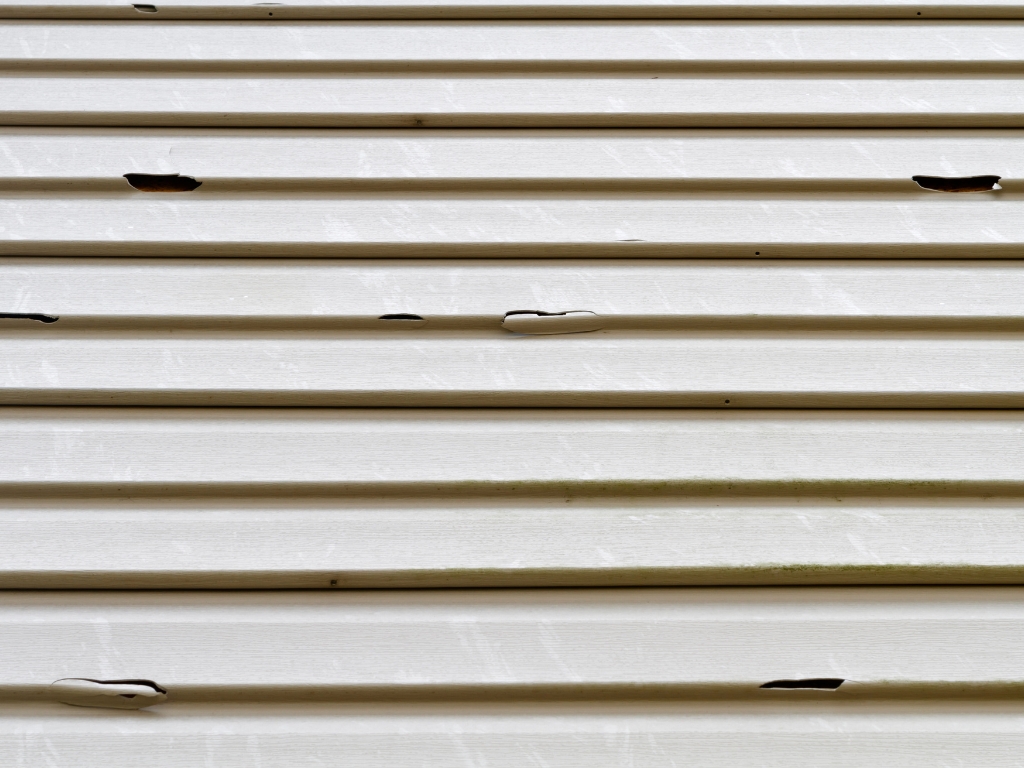
    Hail is the most obvious factor. A single severe hailstorm can damage both siding and windows simultaneously, often forcing homeowners into a combined replacement through an insurance claim. Even if a storm doesn’t break a window, it can pockmark and weaken vinyl siding, making a joint replacement a practical choice.

    The high-altitude UV radiation is relentless. It causes vinyl siding to become brittle and chalky over time and can degrade low-quality window seals, leading to seal failure (fogging between the panes). Replacing old, UV-damaged materials with modern, high-performance siding and energy-efficient windows at the same time creates a robust, long-lasting building envelope.

    Furthermore, proper sealing and insulation are paramount for comfort and energy savings. According to the U.S. Department of Energy, air leaks are a major source of energy waste in homes. A combined window and siding project is the best opportunity to air seal the entire exterior, maximizing performance and lowering utility bills year-round.

    How to Know What Your Denver Home Needs

    To decide what’s best for your home, start by performing a thorough inspection. Ask yourself these four questions:

    1. What is the physical condition of my siding? Look for cracks, warping, fading, soft spots, or loose panels. If the siding is compromised, especially around the windows, a combined project is likely your best bet.
    2. What is the condition of my window frames? Are they solid wood, or do you see signs of peeling paint, softness, or visible rot? Rotted frames mandate a full-frame replacement, which in turn involves dealing with the siding.
    3. What are my long-term goals for my home? Are you planning to sell in the next few years, or is this your forever home? A full exterior remodel offers a massive return on investment in curb appeal and energy efficiency, making it ideal for a long-term hold or a pre-sale renovation.
    4. What does my budget allow? Be realistic about the costs. A vinyl siding and window replacement project is a significant investment. Getting a detailed quote can help you understand the financials of doing them separately versus together.

    The most reliable way to get a clear answer is to have a professional from one of the area’s top window and siding companies perform an inspection. At Ameritech Windows, we provide honest, no-pressure assessments for homeowners throughout our service area. We can identify hidden damage and give you a clear, expert opinion on whether a bundled project is necessary or simply a smart upgrade.

    Ultimately, while you don’t always have to replace siding when replacing windows, understanding when it’s advantageous can save you money, prevent future damage, and dramatically improve the beauty and performance of your home. By evaluating your siding’s condition, your project goals, and your budget, you can make an informed decision that protects your investment for years to come. If you’re ready to explore your replacement window options and get a clear picture of your home’s needs, contact Ameritech Windows today for a free quote.

    Ready to transform your home’s exterior? Schedule your free, no-obligation estimate with Ameritech Windows and let our experts help you find the perfect solution for your Denver home.


    GET FREE QUOTE!

    Promo Ending Soon 05-01-2026

    SPRING SAVINGS Event
    Limited Time Only

    Colorado’s Premier Window & Door Specialists
    $395 OFF EACH WINDOW
    $795 OFF EACH DOOR
    $0 DOWN • 24 MONTHS NO INTEREST

    *With approved credit. See representative for details.

    Four-window minimum • New customers only
    Locally owned and operated in Colorado for over 30+ years

    Refresh Your Home for Spring — Lock In Your Savings Today

    Minimum purchase does apply and cannot be combined with any other discounts.*

    Deal is for first time customers only.**


    By submitting this form, I verify that the number provided is my mobile telephone number and I provide my express written consent for Ameritech Windows to contact me at this number via phone, email, and text message (SMS) using automated dialing technology for marketing purposes. I agree to the
    Terms and Conditions and
    Privacy Policy.
    Consent is not a condition of purchase. Message and data rates may apply. To opt out at any time, you may reply STOP to any text message or notify Ameritech Windows by telephone.

  • Who Installs Reflective Attic Insulation for Cooling Savings?

    Who Installs Reflective Attic Insulation for Cooling Savings?

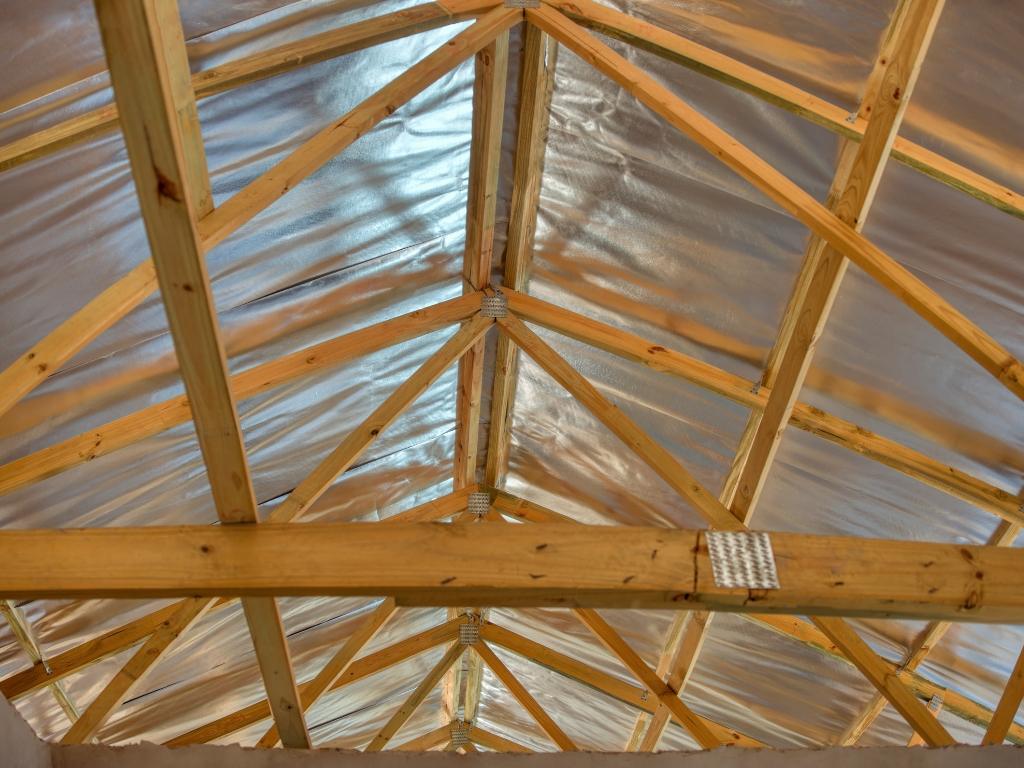
    The attic plays a bigger role than most homeowners realize. If it overheats, your entire home overheats with it. That’s why many people start searching for who installs reflective attic insulation for cooling savings when their cooling bills spike or their upstairs rooms stay uncomfortable.

    Here’s a simple, homeowner-focused guide that helps you understand who installs it, how to choose the right contractor, what the installation should look like, and what results you can realistically expect.

    Why Homeowners Choose Reflective Attic Insulation

    Your attic absorbs radiant heat every time the sun hits your roof, and that heat builds up until the space becomes much hotter than the rooms below it. Because heat naturally moves toward cooler areas, it eventually pushes downward through the attic floor and into your living spaces, making your home warmer and forcing your AC to work harder. 

    Reflective insulation interrupts this process by bouncing a large portion of that radiant heat away before it can enter the attic, helping the space stay cooler and reducing the amount of heat that reaches the rest of your home.

    Reflective attic insulation gives you:

    • Lower attic temperatures
    • Reduced workload on your AC
    • Fewer hot spots in upstairs rooms
    • Better comfort during heat waves
    • Long-term energy savings


    Who Installs Reflective Attic Insulation for Cooling Savings?

    Several contractors can install reflective insulation, but they have different strengths. Choosing the right one affects performance and long-term results.

    Insulation Contractors

    Insulation contractors specialize in installing different types of home insulation and are often the most experienced with reflective attic insulation. Homeowners can find them through insulation companies, energy-efficiency service providers, or local attic insulation specialists. 

    They’re the best choice when you want a contractor who understands how insulation and ventilation work together.

    Pros:

    • Strong understanding of radiant barrier performance
    • Skilled in maximizing heat reflection
    • Familiar with proper attic ventilation
    • Most accurate and reliable installation

    Cons:

    • May cost more than general contractors
    • Some companies only offer limited radiant barrier options
    • Availability can be limited during peak seasons

    Roofing Contractors

    Roofing contractors install radiant barriers during roof replacements, ventilation upgrades, or attic repairs. You can find them through roofing companies, roof replacement services, or contractors who specialize in attic ventilation. They’re a practical option when you want roofing and insulation improvements handled together.

    Pros:

    • Ideal for combining roofing and insulation upgrades
    • Skilled with attic structures and venting
    • Convenient for homeowners already planning roof work

    Cons:

    • Not all roofers have radiant barrier experience
    • May focus more on roofing than insulation performance
    • Limited radiant barrier material choices

    Home Energy Contractors

    Home energy contractors focus on overall efficiency and offer services like energy audits, infrared scans, and insulation upgrades. Homeowners can find them through energy-efficiency companies, HVAC firms, or home performance specialists. 

    They’re a strong choice for homeowners who want a full-home approach to improving cooling and comfort.

    Pros:

    • Provide whole-home energy analysis
    • Can pair radiant barriers with air sealing, blown-in insulation, and ventilation upgrades
    • Use diagnostic tools to identify energy loss

    Cons:

    • May be more expensive due to bundled services
    • Some companies require full energy audits before installation
    • Scheduling can take longer

    Handymen (Hire With Caution)

    Handymen can install radiant barrier foil in simple attics, but most lack training in areas that affect long-term performance. Homeowners can find them through general repair services or local handyman listings. Choose this option only if the handyman has specific radiant barrier experience.

    Pros:

    • Usually lower cost
    • Easy to schedule
    • Suitable for simple attic layouts

    Cons:

    • Limited knowledge of ventilation and moisture control
    • Higher risk of incorrect installation
    • Not trained in energy codes or fire safety clearances
    • Can reduce insulation performance if installed improperly


    How Much Cooling Savings Can You Expect?

    Reflective attic insulation helps reduce the amount of heat entering your home, but the exact savings depend on your climate, roof exposure, attic size, and existing insulation. What homeowners typically notice is not just lower bills but a big improvement in day-to-day comfort.

    Most homeowners report:

    • Less AC cycling because the system doesn’t have to fight as much radiant heat.
    • Cooler upstairs rooms where heat normally collects.
    • Lower peak summer energy bills once the attic stays closer to outdoor temperature.
    • More consistent comfort throughout the home, especially during long heat waves.

    Reflective insulation won’t eliminate your cooling needs, but it reduces heat penetration enough to help your AC run more efficiently and cool your home with less effort.


    Ventilation Matters More Than the Material

    Ventilation is the factor most homeowners overlook, and it’s the main reason many don’t see the cooling savings they expected. Reflective insulation can only do its job when the attic has a steady flow of air moving in and out. 

    Without balanced ventilation, heat builds up, moisture gets trapped, and the radiant barrier loses much of its effectiveness, no matter how high-quality the material is.

    A qualified contractor should check every part of your attic’s airflow system, including:

    • Ridge vents
    • Soffit vent
    • Gable vents
    • Attic fans
    • Air leaks from the living space

    Good ventilation helps your attic expel heat instead of storing it. It also protects your home from mold, wood rot, and poor air quality. 

    If a contractor focuses only on the insulation and ignores ventilation, your cooling improvements will be limited. You’ll save more money and avoid bigger issues later when both are evaluated together.


    Should You Combine Reflective Insulation With Other Upgrades?

    Reflective insulation works well on its own, but combining it with a few strategic upgrades can noticeably improve comfort and reduce cooling costs. Each upgrade targets a different cause of heat gain, so working on two or three areas at once gives your home a more complete defense against summer heat.

    Many homeowners pair radiant barriers with:

    • Air Sealing: This stops hot attic air from leaking into your home.
    • Blown-in Insulation: This adds thermal resistance to slow heat transfer.
    • New Attic Ventilation: It helps your attic release heat faster.
    • Energy-efficient Windows: They reduce the amount of radiant heat entering from sun-exposed sides of the house.
    • Smart Thermostats: They help your cooling system run more efficiently during peak heat hours.

    You don’t need every upgrade. Choose the ones that solve your home’s biggest issues—your contractor should help you identify those priorities.


    A Homeowner’s Pre-Hiring Checklist

    This checklist helps you avoid costly mistakes and identify contractors who understand how reflective attic insulation actually works. Use it to compare installers and spot gaps in their process before you sign anything.

    Ask these questions:

    • Have you installed reflective insulation before?
    • Do you check attic ventilation first?
    • Do you explain the type of radiant barrier they use?
    • Do you measure the attic and inspect existing insulation?
    • Do you offer written pricing?
    • Do you provide a clear placement plan?


    Red Flags Homeowners Should Avoid

    Some signs immediately indicate a contractor may not understand radiant barrier installation. These issues lead to poor performance, wasted money, or moisture problems down the road.

    Be cautious if the contractor:

    • Wants to lay radiant barrier directly on the attic floor with no air gap.
      A radiant barrier needs an air gap to work properly, and placing it directly on the attic floor removes that reflective benefit. This mistake leads to poor performance and wasted money.
    • Promises specific dollar savings.
      Cooling savings depend on your home’s design, insulation levels, and climate, so exact numbers can’t be promised. Any contractor guaranteeing precise savings is overselling the results.
    • Doesn’t check for mold or moisture.
      Moisture issues must be fixed before installing reflective insulation, or you risk trapping condensation in your attic. This can lead to mold, wood rot, and long-term structural damage.
    • Avoids discussing ventilation.
      Balanced attic ventilation helps heat escape and allows the radiant barrier to work effectively. If a contractor skips this step, you won’t see the cooling improvements you expect.
    • Insists the job “only takes an hour.”
      A proper installation involves attic inspection, prep work, material placement, and ventilation evaluation. Contractors who rush the job often cut corners that hurt performance.
    • Provides a verbal estimate but no written quote.
      A written estimate outlines labor, materials, and project scope so you know exactly what you’re paying for. Without it, you risk surprise fees or unclear expectations.

    Qualified contractors, like Ameritech Windows, follow building codes, explain their process, and never rely on shortcuts.


    The Bottom Line

    Now you know who installs reflective attic insulation for cooling savings, what to expect, what to avoid, and how to hire with confidence. Focus on experience, ventilation knowledge, and clear communication. 

    If you’re ready to improve your home’s comfort and cut back on cooling costs, Ameritech can help. Our team understands how insulation, ventilation, and energy-efficient upgrades work together to keep your home cooler. Reach out today to schedule a consultation and see what the right improvements can do for your home.


    GET FREE QUOTE!

    Promo Ending Soon 05-01-2026

    SPRING SAVINGS Event
    Limited Time Only

    Colorado’s Premier Window & Door Specialists
    $395 OFF EACH WINDOW
    $795 OFF EACH DOOR
    $0 DOWN • 24 MONTHS NO INTEREST

    *With approved credit. See representative for details.

    Four-window minimum • New customers only
    Locally owned and operated in Colorado for over 30+ years

    Refresh Your Home for Spring — Lock In Your Savings Today

    Minimum purchase does apply and cannot be combined with any other discounts.*

    Deal is for first time customers only.**


    By submitting this form, I verify that the number provided is my mobile telephone number and I provide my express written consent for Ameritech Windows to contact me at this number via phone, email, and text message (SMS) using automated dialing technology for marketing purposes. I agree to the
    Terms and Conditions and
    Privacy Policy.
    Consent is not a condition of purchase. Message and data rates may apply. To opt out at any time, you may reply STOP to any text message or notify Ameritech Windows by telephone.

  • How to Choose Siding Colors for Your Home

    How to Choose Siding Colors for Your Home

    Choosing siding colors sounds simple until you actually start doing it. You hold up a few samples, compare them to your roof, and suddenly everything looks wrong. The gray looks blue. The beige looks pink. The sample you loved online looks completely different in front of your house.

    Most homeowners go through the same struggle, and here’s why: there’s a lot more involved than just picking a color you “like.” But once you understand how these factors work, choosing the right siding color becomes much easier.

    Let’s walk through how to choose siding colors for your home in a way that gives you clarity, not stress.


    Start With the Things You Can’t Change (Yet)

    Most people start with color swatches. Professionals don’t. They start with the pieces of your home that are staying exactly as they are.

    Think about your:

    • Roof color
    • Brick or stone
    • Trim (unless you’re changing it)
    • Surrounding homes
    • Natural lighting

    These are the anchors. Your siding color needs to work with them, not fight them.

    Here’s a surprisingly effective trick: take a photo of your home and convert it to black and white. Without color, you can actually see your home’s contrast levels: where it feels heavy, where it feels bright, and where the siding color should help balance things out.

    It’s simple, but it’s one of the fastest ways to avoid picking a color that clashes once installed.


    Pay Attention to How Light Changes the Color All Day

    If there’s one factor homeowners underestimate, it’s lighting. A siding color doesn’t stay the same from morning to evening.

    Colors behave differently depending on which direction your home faces. For example, north-facing homes tend to make siding colors look darker and a bit cooler, while south-facing homes brighten shades and add noticeable warmth. West-facing homes often glow during sunset but can look surprisingly washed out in the middle of the day.

    This is why colors often look perfect at the store but completely wrong at home.

    So here’s what you do: tape large samples to different sides of your home and look at them throughout the day. Morning, noon, and afternoon. Once you do this, you’ll immediately see which colors feel consistent and which ones shift too much.


    Use a Simple Color Ratio So Everything Works Together

    Designers swear by the 60–30–10 rule, and it works surprisingly well when you’re choosing siding colors. About 60% of your exterior is the siding. Another 30% is your roof and any brick or stone. The final 10% comes from trim, gutters, shutters, and small accents. 

    Most homeowners get stuck because they’re evaluating the siding in isolation. But exteriors are a composition. If you’re torn between two colors, step back and apply the ratio. 

    Which one creates more balance across all three categories? Which one ties your trim and roof together instead of competing with them? The right option usually becomes obvious once you view your home as a whole, not as a set of separate pieces.

    You can see this idea in action with real homeowners. Ameritech Windows recently transformed a home in Golden, Colorado by coordinating brand-new windows with a full siding upgrade. See the full project here.


    Look at Inspiration With a Critical Eye

    Pinterest is full of beautiful exteriors, but those photos almost never reflect real-life conditions. Colors are edited. Lighting is controlled. The homes are often larger or more open than yours. And the landscaping is curated to make the color look ideal. If you use Pinterest as a literal guide, you’ll likely end up disappointed.

    Instead, use it like a pattern-finding tool. Collect 10–20 exteriors you genuinely like, then study what they have in common. 

    • Do the colors lean warm or cool?
    • Is the contrast dramatic or subtle?
    • Are the homes surrounded by trees or in full sun? 
    • Are the palettes bold or neutral? 

    You’re not copying a specific shade; you’re uncovering your natural preferences.

    This gives you a taste profile. Once you understand what you consistently gravitate toward, the decision-making process becomes much easier. You’re no longer guessing or chasing trends. You’re aligning your siding color with a style you already love, just adapted to your home’s actual lighting, architecture, and environment.


    Think About How Landscaping Affects Color

    Most articles never mention this, but your plants can completely change how siding looks.

    Heavy greenery can make cool grays look icy and warm browns look muddy. Sparse landscaping makes dark colors feel bold instead of overwhelming. Even the shade from large trees affects color perception throughout the day.

    If you’re planning to update your yard soon, factor that into your siding choice. Your home and your landscaping should support each other visually, not compete.


    Consider How the Color Ages

    Siding isn’t something you change every few years, which means the color you choose has to look good not just now, but years down the road. This is where most homeowners make mistakes; they fall in love with a shade on day one, but don’t think about how it behaves after long-term sun exposure, seasonal weather, and natural fading.

    Some colors age gracefully. Others don’t. Dark hues tend to fade faster in direct sun, especially in hotter climates, and certain pigments—like deep blues, greens, and reds—are more prone to visible fading. Neutrals usually soften over time instead of shifting dramatically, which is why they stay popular.

    Before you commit to a color, ask your contractor or supplier how that particular shade performs in your climate. Does it hold up well in full sun? Does it fade evenly? Does it shift undertones as it ages? 

    Asking these questions can keep you from choosing a color that looks great now but totally different in a few years.


    Choose Colors That Fit Your Home’s Shape, Not Just Its Style

    Most advice focuses on matching siding colors to your home’s architectural style: modern, colonial, farmhouse, craftsman, and so on. But there’s another, often more important factor: the physical shape of your home.

    Color changes how the eye reads a structure. Darker colors visually “pull in” surfaces, making a home look wider, more grounded, or more substantial. Lighter colors “push out,” making a home appear taller, brighter, or more open. 

    Even the direction of your siding (horizontal, vertical, or mixed) can influence whether your home feels long, tall, or balanced. If your home feels short or squat, a lighter color can visually lift it. If it feels too tall or narrow, darker shades or stronger accents can help anchor it. 

    When choosing your siding, think about shape, proportion, and the impression your home gives from the street. The right color can correct visual imbalances and make the entire structure feel more harmonious.


    Get Expert Guidance From Ameritech!

    Picking the right siding color is easier when you have experts who understand how materials, lighting, and design work together. Ameritech Windows makes the whole process feel easier by walking you through what actually matters.

    Matching siding colors to your roof, trim, and architectural style
    Understanding how colors behave in your specific lighting and climate
    Choosing materials with strong fade resistance and durability
    Creating a cohesive look if you’re upgrading siding and windows together
    Selecting products that improve curb appeal and long-term value 

    Final Thoughts

    Choosing the right siding color takes more than picking your favorite shade. It’s about understanding how your home’s features, lighting, neighborhood, landscaping, and long-term plans all interact.

    Once you evaluate those pieces, you’ll have a much clearer sense of how to choose siding colors for your home, and you’ll make a choice that feels right every time you pull into the driveway.


    GET FREE QUOTE!

    Promo Ending Soon 05-01-2026

    SPRING SAVINGS Event
    Limited Time Only

    Colorado’s Premier Window & Door Specialists
    $395 OFF EACH WINDOW
    $795 OFF EACH DOOR
    $0 DOWN • 24 MONTHS NO INTEREST

    *With approved credit. See representative for details.

    Four-window minimum • New customers only
    Locally owned and operated in Colorado for over 30+ years

    Refresh Your Home for Spring — Lock In Your Savings Today

    Minimum purchase does apply and cannot be combined with any other discounts.*

    Deal is for first time customers only.**


    By submitting this form, I verify that the number provided is my mobile telephone number and I provide my express written consent for Ameritech Windows to contact me at this number via phone, email, and text message (SMS) using automated dialing technology for marketing purposes. I agree to the
    Terms and Conditions and
    Privacy Policy.
    Consent is not a condition of purchase. Message and data rates may apply. To opt out at any time, you may reply STOP to any text message or notify Ameritech Windows by telephone.

  • Why Yelp Reviews Don’t Always Tell the Full Story

    Why Yelp Reviews Don’t Always Tell the Full Story

    When it comes to home improvement, online reviews often guide your decision. They help you compare companies, gauge service quality, and see what real customers have experienced.

    If you’ve been looking up Ameritech Windows reviews, you’ve likely read feedback on Google, the BBB, Yelp, and other review platforms. Each of these sites collects and displays reviews differently — and that can change how a company’s reputation appears online.

    What many homeowners don’t realize is that not all review platforms work the same way. Yelp, in particular, uses a unique review system that can sometimes give an incomplete picture of a business. Understanding how it works can help you see the full story behind the reviews.

    How Yelp’s Review System Works

    Yelp has a reputation for showcasing “authentic” feedback. But what many people don’t realize is that Yelp’s algorithm filters reviews into two groups: “recommended” and “not recommended.”

    • Recommended reviews appear publicly on the main business page and directly affect the star rating you see. These are usually from active Yelp users who post often, have friends on the platform, and maintain a complete profile. Yelp’s system assumes that kind of user is more “credible.”
    • Not recommended reviews, on the other hand, are pushed to the bottom of the page in a separate section. They don’t count toward the overall star rating and are often missed entirely by casual visitors. In many cases, these hidden reviews include legitimate feedback, often from real customers who just don’t use Yelp regularly.

    Here’s where things get complicated:

    Yelp’s system tends to bury legitimate positive reviews if the reviewer isn’t an active Yelp user. If someone writes their first review, skips adding a profile photo, or doesn’t have friends on Yelp, their post might never be visible, even if it’s genuine and detailed.

    That means when you see a business with a few negative Yelp reviews, it doesn’t necessarily tell the whole story. The full picture is often hidden behind filters that many customers never even notice.

    For Ameritech Windows, this can mean the voices of real, satisfied homeowners in Denver and surrounding areas don’t always appear where they should.

    Why Some Reviews Don’t Seem to Fit

    If you’ve come across Yelp reviews that don’t match what you’d expect from Ameritech Windows, there are several possible explanations.

    1. Mistaken Identity

    Some reviews are meant for another company altogether. There are multiple “Ameritech” businesses across the U.S., and it’s common for customers to accidentally post to the wrong page. These reviews might describe a completely different service or location.

    2. Wrong Service Category

    Certain reviews mention experiences that don’t align with Ameritech’s work. For example, feedback about unrelated home services like HVAC or siding. These usually come from confusion about the type of service provided.

    3. Yelp’s Limited Removal Process

    Even when a review is clearly posted in error, Yelp doesn’t always remove it. Businesses can flag incorrect reviews, but final decisions rest with Yelp’s moderation system, not the business.

    4. Situational or External Issues

    Some feedback focuses on circumstances outside the company’s control, such as weather-related delays, manufacturer shortages, or financing misunderstandings. While frustrating, these don’t reflect the actual quality of the windows or installation.

    5. Duplicate or Reposted Reviews

    Yelp sometimes merges listings or allows old reviews to reappear when users update accounts. This can create duplicate entries that make a single complaint look like multiple issues.

    6. One-Sided Experiences

    Not every customer shares a complete context. A reviewer might post after one interaction — for instance, a phone inquiry or sales visit — without experiencing the full project. This can lead to partial or misleading impressions.

    Ameritech Windows welcomes all feedback but recognizes that not everything posted online reflects our actual work. Our focus remains on continuing to serve homeowners with honesty, professionalism, and top-quality products, not chasing down every inaccurate post.

    The Bigger Picture on Ameritech’s Reputation

    To truly understand a company’s reputation, you have to look beyond one platform. Yelp is just a piece of the puzzle. When you search for window company reviews in Denver, you’ll find that Ameritech Windows consistently stands out across multiple credible sources:

    Google Reviews

    Ameritech Windows has 700+ Google reviews, with an average rating close to five stars. Customers often mention how professional the team is, how well the windows are made, and how smooth the installation process feels. Many say they’d recommend Ameritech to others because the company delivers quality work and dependable service every time.

    [snippets/screenshots]

    BBB Reviews

    Ameritech Windows has an A+ rating with the Better Business Bureau, a reflection of its long track record of reliable service and honest communication. The rating also shows how the company handles customer concerns fairly and follows through on its commitments.

    [snippets/screenshots]

    GuildQuality and Angi

    Ameritech is listed on GuildQuality and Angi, two platforms that verify reviews directly from real customers. After each installation, many homeowners complete post-project surveys that measure quality, professionalism, and satisfaction. These verified reviews give a clear, trusted picture of how the company performs.

    [snippets/screenshots]

    Direct Customer Testimonials

    The Ameritech Windows website features genuine stories from homeowners across Colorado. Each testimonial shares real results, from quieter homes to better energy efficiency, offering the kind of detail that Yelp’s filters often hide. These firsthand accounts show what customers actually experience after their projects are complete.

    [snippets/screenshots]

    If you’re researching Ameritech Windows reviews, explore feedback across multiple platforms, such as Google, the BBB, and GuildQuality, to see the consistently positive experiences homeowners have shared about the company’s service and results.

    The Yelp Controversy: What Customers Should Know

    Yelp has faced criticism for years about how it handles reviews. The issue isn’t with the reviews themselves; it’s how Yelp decides which ones to show and which to hide.

    The platform uses an automated filter that looks at things like how active a reviewer is, whether they’ve posted before, and if they have friends on Yelp. While this system is meant to stop fake reviews, it often hides real, positive feedback from genuine customers who don’t use Yelp often. That can make a company look less trusted than it really is.

    This problem has affected small businesses across the country, which is why the 2019 documentary Billion Dollar Bully brought national attention to it. The film explored how Yelp’s filtering system and advertising practices can sometimes create unfair results for honest businesses.

    Yelp says its system is automatic and treats every business the same. Still, because of how those filters work, a company’s Yelp rating might not reflect the full range of customer experiences.

    For Ameritech Windows, that means hundreds of satisfied customers who left 5-star reviews on Google, BBB, GuildQuality, and Angi may not appear the same way on Yelp, even when their experiences are genuine and positive.

    As a customer, it’s best to look at several platforms before deciding. Each one gives you a different view, but together they paint a more accurate picture of the company’s reputation and customer care.

    Our Commitment to Customers

    At Ameritech Windows, transparency is everything. Whether you find us on Yelp, Google, or through a referral, our goal stays the same. We aim to deliver:

    • Exceptional service
    • Energy-efficient, long-lasting windows
    • Professional installation
    • Complete customer satisfaction

    Every project tells a story, and we’re proud of the hundreds of homes across Colorado that now enjoy better comfort, quieter interiors, and improved efficiency because of our work.

    The Bottom Line

    When researching Ameritech Windows reviews, it’s worth looking beyond one platform. Yelp shows only part of the picture, while sites like Google, BBB, and GuildQuality reveal hundreds of 5-star experiences from real homeowners.

    Across every review source, one thing stays the same: Ameritech Windows is known for quality products, professional service, and lasting results.

    We believe trust is built through experience, not algorithms. If you’d like to hear directly from our customers, visit our Testimonials Page or contact us to speak with homeowners who’ve worked with our team.


    GET FREE QUOTE!

    Promo Ending Soon 05-01-2026

    SPRING SAVINGS Event
    Limited Time Only

    Colorado’s Premier Window & Door Specialists
    $395 OFF EACH WINDOW
    $795 OFF EACH DOOR
    $0 DOWN • 24 MONTHS NO INTEREST

    *With approved credit. See representative for details.

    Four-window minimum • New customers only
    Locally owned and operated in Colorado for over 30+ years

    Refresh Your Home for Spring — Lock In Your Savings Today

    Minimum purchase does apply and cannot be combined with any other discounts.*

    Deal is for first time customers only.**


    By submitting this form, I verify that the number provided is my mobile telephone number and I provide my express written consent for Ameritech Windows to contact me at this number via phone, email, and text message (SMS) using automated dialing technology for marketing purposes. I agree to the
    Terms and Conditions and
    Privacy Policy.
    Consent is not a condition of purchase. Message and data rates may apply. To opt out at any time, you may reply STOP to any text message or notify Ameritech Windows by telephone.

  • Storm Doors 101: Installation Tips, Maintenance, and Upkeep to Make Yours Last

    Storm Doors 101: Installation Tips, Maintenance, and Upkeep to Make Yours Last

    Adding storm doors to your home does more than just look nice. They protect your main entry door, help with energy efficiency, and let in fresh air and natural light. But if you want your storm door to stay in good shape, you’ll need to install it properly and give it regular attention.

    Let’s go over what you should know about choosing, installing, and caring for your storm door so it lasts for years.

    Why Storm Doors Are Worth It

    Think of storm doors as an upgrade for your entryway. They can:

    • Add an extra layer of insulation to help manage heating and cooling costs.
    • Keep rain, snow, and direct sun off your main door, which means less maintenance over time.
    • Brighten your space if you choose a full-view style with glass.
    • Let in fresh air while keeping bugs outside if you pick a model with a screen.

    If you already have one, you know how much use it gets during every season. If you’re adding a new one, a good installation is where it all starts.

    Types of Storm Doors

    Different styles offer different benefits, so knowing the main types can help you pick the one that fits your home and lifestyle best.Here are the most common types and why you might choose each one:

    • Full-View Storm Doors

    These feature a full glass panel for maximum light and a clear view. They’re perfect if you want to show off your main entry door or let in more natural light. Some models have interchangeable screens so you can switch them out during warmer months.

    • Ventilating Storm Doors

    These come with glass panels that slide up or down to reveal built-in screens. They’re a good choice if you want fresh air without fully removing the glass.

    • Retractable Screen Storm Doors

    The screen rolls up into the frame when you’re not using it. This is ideal if you want a clean, unobstructed look most of the year but still like to open things up on breezy days.

    • Mid-View or High-View Storm Doors

    These have solid panels on the bottom half for durability, which is helpful if you have pets or kids. They still allow light through the top half but can handle more bumps and scratches.

    Each option offers different levels of airflow, visibility, and protection. The best choice comes down to how much light and ventilation you want, and how much maintenance you’re willing to do.

    Storm Door Installation Made Simple

    Installing a storm door isn’t as intimidating as it seems. Here are a few ways to make the process easier:

    • Start with measurements. Measure your door opening at the top, middle, and bottom. Go with the smallest number to make sure the fit is right.
    • Choose the right style. Full-view glass for light, ventilating models for airflow, or retractable screens if you want the best of both worlds.
    • Check clearance. Make sure the door can swing open without bumping into steps or railings.
    • Gather your tools. You’ll need a drill, level, screwdriver, and measuring tape.
    • Follow the instructions. Manufacturers usually include clear step-by-step directions. Read them all the way through before you start.
    • Grab a helper. It’s much easier to hold the door steady with two people working together.

    Not a fan of DIY? There’s nothing wrong with hiring the Ameritech pros! A perfectly hung storm door looks better and works better.

    Storm Door Care You Can Handle Yourself

    Once the door is installed, it just needs light care to keep it looking and working like new. Here’s what to do:

    • Clean the glass and screen. A mild cleaner and soft cloth are all you need.
    • Lubricate moving parts. A quick spray of silicone on the hinges keeps them quiet.
    • Check the weatherstripping. Look for cracks or gaps that could let air in and replace them if needed.
    • Tighten loose screws. Handles, hinges, and closers can loosen over time.
    • Adjust the closer. If the door slams or doesn’t latch, tweak the tension screw until it feels right.

    Doing these quick checks every few months can prevent bigger issues later.

    How to Keep It in Top Shape for Years

    If you want your storm door to last 15–20 years, you’ll need to stay ahead of wear and tear.

    • Repaint or refinish wood frames every few years.
    • Swap between glass and screen panels with the seasons if your door allows it.
    • Keep an eye out for rust on metal frames. Sand it down and touch up the paint before it spreads.
    • Upgrade handles or closers when they wear out instead of letting them break completely.

    When It’s Time to Replace

    Even the best storm door won’t last forever. Here’s when to consider getting a new one:

    • The frame is bent or warped and won’t close properly.
    • The glass feels loose or won’t stay in place.
    • The door closer is beyond repair and makes the door unsafe.
    • Drafts get through even after you replace the weatherstripping.

    If you notice any of these, it might be cheaper in the long run to replace the entire door instead of trying to fix it.

    Experience the Ameritech Difference! 

    Storm doors are one of the easiest upgrades you can make for your home. A good installation and a little maintenance will keep yours working for years.

    When was the last time you cleaned and checked your storm door hardware? Spending just a few minutes each season could save you from costly repairs later.

    Whether you’re ready to install a new storm door or replace an old one, Ameritech Windows can help you choose the perfect style and make sure it’s installed right.


    GET FREE QUOTE!

    Promo Ending Soon 05-01-2026

    SPRING SAVINGS Event
    Limited Time Only

    Colorado’s Premier Window & Door Specialists
    $395 OFF EACH WINDOW
    $795 OFF EACH DOOR
    $0 DOWN • 24 MONTHS NO INTEREST

    *With approved credit. See representative for details.

    Four-window minimum • New customers only
    Locally owned and operated in Colorado for over 30+ years

    Refresh Your Home for Spring — Lock In Your Savings Today

    Minimum purchase does apply and cannot be combined with any other discounts.*

    Deal is for first time customers only.**


    By submitting this form, I verify that the number provided is my mobile telephone number and I provide my express written consent for Ameritech Windows to contact me at this number via phone, email, and text message (SMS) using automated dialing technology for marketing purposes. I agree to the
    Terms and Conditions and
    Privacy Policy.
    Consent is not a condition of purchase. Message and data rates may apply. To opt out at any time, you may reply STOP to any text message or notify Ameritech Windows by telephone.

  • Bold Design Trends for Custom Exterior Doors

    Bold Design Trends for Custom Exterior Doors

    Did you know that upgrading your front door can return up to 75% of its cost (if not 100%) in added home value? Custom exterior doors are one of the smartest curb appeal investments you can make, and homeowners are taking notice. 

    Let’s explore the bold design trends shaping today’s market and how to choose one that’s perfect for your home.


    Why Custom Exterior Doors Are Gaining Popularity

    More and more homeowners want their properties to stand out, and the front entry is one of the easiest places to make a big impact. After all, it’s the first thing people see when they arrive. 

    The problem? Standard doors often feel generic and don’t always match a home’s personality. That’s where custom exterior doors come in. They give you complete control over how your entryway looks, fits, and functions.

    Here’s why they’re winning over so many homeowners:

    • Personalization: You choose everything: the panel design, hardware, glass style, and finish. You’re not stuck with whatever happens to be on the store shelf.
    • Better fit: Custom sizing means your door is built for your exact frame, avoiding uneven gaps and ensuring a cleaner look.
    • Improved curb appeal: A unique entry makes a strong first impression and can even boost your home’s value.
    • Enhanced performance: Today’s custom doors can be built with top-tier insulation, durable materials, and weather-resistant coatings that outperform standard options.
    • Long-term value: A well-made custom door can last decades, reducing the need for frequent repairs or replacements.


    Top Design Trends for Custom Exterior Doors

    Exterior doors have come a long way from the standard wood panel look. These days, homeowners can pick from a huge range of designs, materials, and features. Here’s what’s trending right now:

    Minimalist Designs

    Minimalist doors focus on clean lines, smooth finishes, and simplicity. They often feature understated hardware and neutral colors that blend seamlessly with modern or transitional homes.

    Ideas to Try

    • Choose a flush panel door in matte black, white, or natural wood.
    • Add a slim vertical pull handle instead of a traditional knob.
    • Include a single narrow sidelight for light without clutter.
    • Skip decorative glass and keep hardware minimal.

    Industrial Chic

    Industrial chic combines raw materials like steel and glass for a bold, urban-inspired look. This style often uses black or dark metal frames with large glass sections.

    Ideas to Try

    • Use a steel or aluminum frame in a black powder-coated finish.
    • Incorporate full-length clear or frosted glass panels.
    • Add a horizontal pull bar for a sleek, modern entry.
    • Pair with exposed brick or modern siding for contrast.

    Mixed Materials

    Mixed-material designs blend different textures and finishes for a layered, high-end look. It’s a way to add depth and character without overwhelming the design.

    Ideas to Try

    • Combine natural wood with brushed metal inlays.
    • Pair stained oak with frosted or textured glass panels.
    • Use contrasting trim colors to frame the door.
    • Add metal kick plates for both style and function.

    Bold Colors

    Bold colors turn your front door into a focal point. They work especially well when paired with complementary trim or siding.

    Ideas to Try

    • Paint your door deep navy and add brass hardware.
    • Use a forest green finish with matte black handles.
    • Go for a bright red for a farmhouse-style pop against white siding.
    • Pair a charcoal gray door with gold or copper accents.

    Oversized Doors

    Oversized doors make a grand statement and add a sense of luxury. They’re ideal for homes with wide entryways or tall ceilings.

    Ideas to Try

    • Install an 8-foot-tall single door for a dramatic look.
    • Opt for 6-foot-wide double doors with glass inserts.
    • Use oversized pivot doors for a modern architectural feel.
    • Frame the door with tall sidelights for more impact.

    Glass Inserts

    Glass inserts let in natural light while adding style. The glass can be clear, frosted, or textured depending on privacy needs.

    Ideas to Try

    • Add horizontal glass panels for a mid-century modern vibe.
    • Use a large frosted glass center panel for privacy with light.
    • Choose etched or patterned glass for a unique look.
    • Combine glass with wood or metal for contrast.

    Smart Door Technology

    Smart door features improve convenience and security. They can be integrated into the design without compromising style.

    Ideas to Try

    • Install a smart lock with a keypad or fingerprint reader.
    • Add a built-in doorbell camera that matches the hardware finish.
    • Include hidden motion sensors for extra security.
    • Use Wi-Fi-enabled locks you can control from your phone.


    Tips for Choosing the Right Custom Exterior Door

    A custom door is a big investment, so you’ll want something that fits your home now and still works for you years down the road. Here’s how to make the right call before the actual installation:

    #1. Match your home’s style.

    Your door should look like it belongs there. A sleek, modern design might feel out of place on a farmhouse, and a heavy, traditional wood panel won’t match a minimalist build. Pick a style that works with your home’s architecture so everything feels cohesive.

    #2. Think about your climate.

    Live somewhere cold? Go for insulated cores and double- or triple-pane glass to keep the heat in. Near the coast or in a humid area? Choose materials that won’t swell, warp, or rust over time.

    #3. Know your maintenance level.

    Love the warmth of wood? Just remember it’ll need sealing or painting every so often. Want less upkeep? Fiberglass or steel will save you some weekend work.

    #4. Look for energy efficiency.

    Doors with ENERGY STAR® ratings can help lower heating and cooling costs. It’s a win-win: good for the planet and your wallet.

    #5. Don’t skimp on security.

    A beautiful door should also keep you safe. Go for solid-core construction, reinforced strike plates, and quality locks.

    #6. Set your budget early.

    Custom doors can range from simple upgrades to full-on statement pieces. Decide what matters most—style, material, glass, or hardware—so you spend where it counts.

    #7. Consider the long term.

    Pick something you’ll still love in 10 or 15 years. Trends change, but a door you truly like will never feel dated.


    Design Your Custom Exterior Door with Ameritech!

    Ready to upgrade your entryway? A custom exterior door can transform the look of your home, boost energy efficiency, and give you the style you’ve always wanted. Ameritech Windows is here to help you design the perfect fit and handle every step of the installation.

    Call today or schedule a consultation online to start creating a door that’s made just for your home.


    GET FREE QUOTE!

    Promo Ending Soon 05-01-2026

    SPRING SAVINGS Event
    Limited Time Only

    Colorado’s Premier Window & Door Specialists
    $395 OFF EACH WINDOW
    $795 OFF EACH DOOR
    $0 DOWN • 24 MONTHS NO INTEREST

    *With approved credit. See representative for details.

    Four-window minimum • New customers only
    Locally owned and operated in Colorado for over 30+ years

    Refresh Your Home for Spring — Lock In Your Savings Today

    Minimum purchase does apply and cannot be combined with any other discounts.*

    Deal is for first time customers only.**


    By submitting this form, I verify that the number provided is my mobile telephone number and I provide my express written consent for Ameritech Windows to contact me at this number via phone, email, and text message (SMS) using automated dialing technology for marketing purposes. I agree to the
    Terms and Conditions and
    Privacy Policy.
    Consent is not a condition of purchase. Message and data rates may apply. To opt out at any time, you may reply STOP to any text message or notify Ameritech Windows by telephone.

  • How to Choose Modern Patio Doors: Materials, Styles & Energy-Savvy Features

    How to Choose Modern Patio Doors: Materials, Styles & Energy-Savvy Features

    Ready to swap out those old patio doors? You’re in good company! Modern patio doors are a favorite for homeowners who want more light, bigger views, and better energy savings.

    In this guide, we’ll walk through how to pick modern patio doors that fit your style, work with your space, and help keep your energy bills in check. Here, you’ll get the info you need without the fluff.

    By the end, you’ll have a clear game plan for choosing modern patio doors that check every box: style, performance, and long-term value.


    What is a Patio Door?

    A patio door is a large glazed door that connects your indoor space to your deck, patio, or backyard. It lets in more daylight, improves views, and creates smoother movement between rooms and the outdoors. Common formats include sliding, French (hinged), and multi-panel systems like bi-folds and lift-and-slide. 

    Beyond style, modern patio doors deliver practical advantages that make them a smart upgrade for any home. They:

    ✅ Let in more natural light

    ✅ Improve energy efficiency

    ✅ Increase home security

    ✅ Create seamless indoor–outdoor access

    ✅ Requires minimal maintenance

    Thinking about new patio doors? Our blog What to Know Before Installing New Patio Doors will help you get started.


    Common Patio Door Materials

    The material you choose affects how your doors look, how well they insulate, and how much upkeep they’ll need over time. Here’s a quick guide to the most common options and how to pick the right one for your home.

    1. Aluminum

    • Slim frames with a modern look
    • Strong, durable, and resistant to rust
    • Needs a thermal break to improve insulation

    Best for: Homeowners wanting a sleek, low-maintenance option with large glass panels

    2. uPVC (Vinyl)

    • Affordable and easy to maintain
    • Good insulation with multi-chamber frames
    • Limited color options compared to aluminum or wood

    Best for: Those on a budget who want energy efficiency with minimal upkeep

    3. Wood

    • Warm, natural look that’s timeless
    • Excellent natural insulation
    • Requires regular sealing or painting

    Best for: Homeowners who value aesthetics and don’t mind maintenance

    4. Fiberglass

    • Resists warping, rotting, and swelling
    • Can mimic wood grain without the upkeep
    • More expensive than vinyl

    Best for: Those wanting durability and a premium finish with little maintenance

    5. Composite / Hybrid (e.g., Aluminum-Clad Wood)

    • Combines wood’s beauty inside with a weather-resistant exterior
    • Excellent insulation and durability
    • Higher upfront cost

    Best for: Homeowners seeking a balance of aesthetics, performance, and low maintenance


    Patio Door Styles

    How your patio doors open can change the way your space feels, the views you enjoy, and even how you move around your home. Let’s look at the most popular styles and what makes each one worth considering.

    1. Sliding Doors

    • Panels move along a track, so no swing space is needed
    • Great for tight patios or decks
    • Large glass area for maximum light and views

    2. French (Hinged) Doors

    • Two doors swing open from the center
    • Classic style that works in traditional or modern homes
    • Needs enough space for doors to swing inward or outward

    3. Bi-Fold Doors

    • Multiple panels fold and stack neatly to one side
    • Opens up a full wall for indoor–outdoor living
    • Tracks need to be kept clean for smooth operation

    4. Pivot Doors

    • Door rotates on a central or off-center pivot
    • Makes a bold design statement
    • Requires strong framing to support the weight

    5. Multi-Slide or Stacking Doors

    • Multiple panels slide and stack in line
    • Allows for extra-wide openings
    • Works well for panoramic views


    Features to Consider

    The right features can make your patio doors more comfortable, secure, and efficient. Here’s what to look for before you have them installed.

    1. Energy Efficiency

    Look for Low-E glass that reflects heat in summer and keeps warmth inside during winter. Double or triple glazing adds extra insulation, while argon gas between panes boosts performance even further. These features help improve your energy efficiency year-round.

    2. Frame Technology

    Aluminum frames with a thermal break prevent heat and cold from transferring through the metal. Multi-chamber uPVC frames improve strength and insulation. Both options can make a noticeable difference in comfort.

    3. Security

    Multipoint locking systems secure the door at several points, making it harder to force open. For added protection, choose tempered or laminated glass, which resists shattering and helps keep your home safe.

    4. Operation & Hardware

    Smooth-gliding rollers, sturdy hinges, and comfortable handles make a big difference in daily use. Invest in quality hardware so your doors operate effortlessly and last longer.

    5. Weather Protection

    Good weatherstripping and tight seals keep out drafts, moisture, and dust. This not only improves comfort but also extends the life of the door.

    6. Accessibility & Thresholds

    Low-profile thresholds make entry safer and easier for children, pets, and anyone with mobility needs. They also reduce tripping hazards while maintaining a clean look.

    7. Privacy & Light Control

    Built-in blinds or tinted glass let you control how much light enters your home without sacrificing style. They’re also convenient because they don’t require extra cleaning or maintenance.


    Choosing Patio Doors Wisely 

    Choosing patio doors for the first time can feel overwhelming, especially when you want to avoid costly mistakes. Here are tips from experts that go beyond the basics.

    1. Think About Sightlines, Not Just Glass Size

    It’s easy to focus on having the biggest glass panels, but the thickness and color of the frame can change the view dramatically. Slimmer sightlines create a cleaner, more open feel, while heavier frames may suit more traditional homes.

    2. Match Operation Style to Your Climate

    In windy or storm-prone areas, sliding or multi-slide doors often perform better because they won’t blow open. In calmer climates, bi-folds or French doors can give you that full, open-air feel without concern for strong gusts.

    3. Test the Doors Before You Commit

    Showrooms aren’t just for looking; open, close, and lock the doors you’re considering. Check how heavy the panels feel, how easily the locks engage, and whether the movement is smooth. This will reveal quality differences you won’t see in photos.

    4. Plan Lighting and Privacy Together

    Large glass doors bring in light but can also create glare or reduce privacy. Ask about tinted or Low-E glass with specific light transmission ratings. You can also explore built-in blinds or exterior shading to get the best of both worlds.

    5. Account for Floor Transitions

    If your indoor and outdoor flooring heights don’t match, you might need a threshold ramp or a custom frame adjustment. Planning for this early prevents tripping hazards and ensures a seamless look.

    6. Look Beyond the Door to the Frame Structure

    A beautiful door won’t perform well if the wall or header above it can’t handle the weight, especially for wide openings. Have your installer check load capacity before ordering so you avoid costly reinforcements later.

    7. Future-Proof Your Choice

    Think about how your needs might change. Do you want to age in place? Plan for wider openings, low thresholds, and hardware that’s easy to grip. This way, you won’t have to replace your doors prematurely.


    How Can Ameritech Help?

    Looking for patio doors that look great, work perfectly, and last? Ameritech Windows is here to help, from start to finish!

    • Materials for every style. Pick what suits your home best, from modern aluminum and warm wood to low‑maintenance uPVC.
    • Triple‑pane, energy‑saving glass. We go beyond the standard, offering triple‑pane glazing with Low‑E coatings for real comfort and lower bills. 
    • Expert installers you can trust. Our team focuses only on windows and doors. Many of our installers have 10–20+ years of experience, and our installation manager has been with us for over 24 years.
    • Warranty you can count on. Our warranties aren’t filled with loopholes. What you get today is what you’ll have years from now. No confusing fine print. 
    • Local and reliable service. Serving the Front Range since 1994, we’ve earned an A+ BBB rating and hundreds of 5‑star reviews, not by accident, but through long-term trust. 
    • Flexible financing options. We’ve built relationships with local and national lenders so we can offer financing plans that suit your budget, often approved right in your home.

    Ready to upgrade your home? Contact Ameritech Windows today to schedule your free consultation and find the perfect patio doors for your space.


    GET FREE QUOTE!

    Promo Ending Soon 05-01-2026

    SPRING SAVINGS Event
    Limited Time Only

    Colorado’s Premier Window & Door Specialists
    $395 OFF EACH WINDOW
    $795 OFF EACH DOOR
    $0 DOWN • 24 MONTHS NO INTEREST

    *With approved credit. See representative for details.

    Four-window minimum • New customers only
    Locally owned and operated in Colorado for over 30+ years

    Refresh Your Home for Spring — Lock In Your Savings Today

    Minimum purchase does apply and cannot be combined with any other discounts.*

    Deal is for first time customers only.**


    By submitting this form, I verify that the number provided is my mobile telephone number and I provide my express written consent for Ameritech Windows to contact me at this number via phone, email, and text message (SMS) using automated dialing technology for marketing purposes. I agree to the
    Terms and Conditions and
    Privacy Policy.
    Consent is not a condition of purchase. Message and data rates may apply. To opt out at any time, you may reply STOP to any text message or notify Ameritech Windows by telephone.