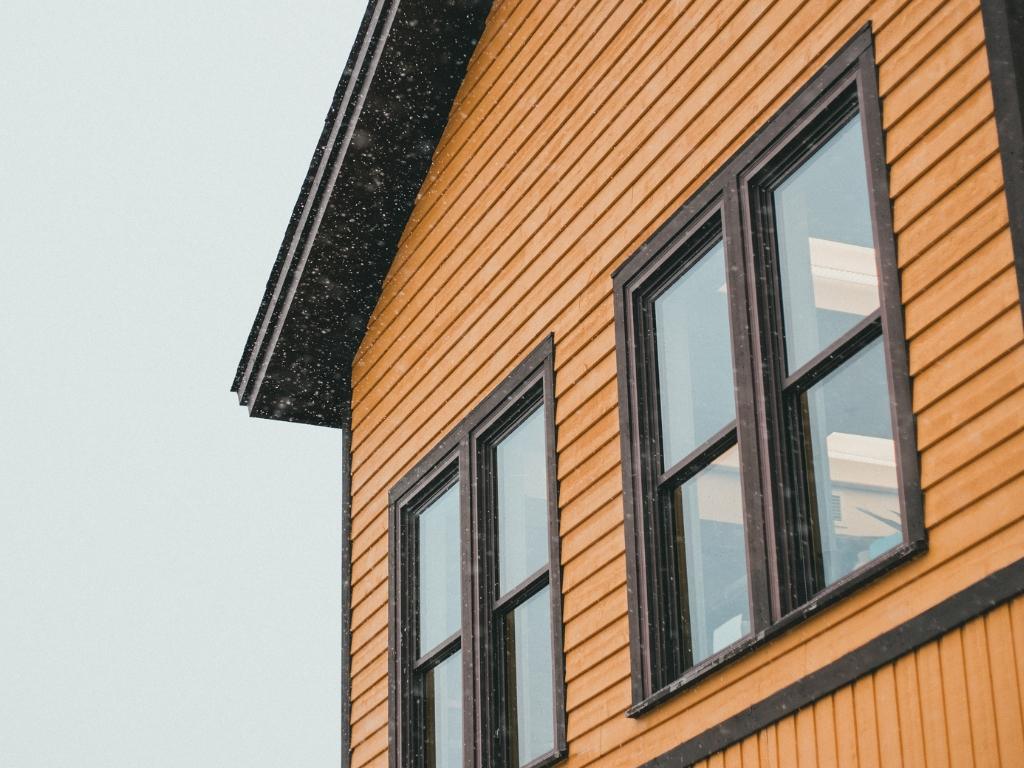
For many Denver homeowners, the answer is a welcome one: no, you don’t always have to replace your siding when you replace your windows. It’s entirely possible, and often practical, to install new, energy-efficient windows while leaving your existing siding in place. This is especially true if your siding is in good condition and you opt for a specific type of window installation. However, there are critical situations where replacing both at the same time is not just a good idea, it’s the most responsible and cost-effective decision for the long-term health of your home. This article breaks down exactly how to determine the right path for your Front Range property.
Can You Replace Windows Without Replacing Siding?
Yes, you can absolutely replace windows without replacing siding. The ability to do this depends almost entirely on the type of window installation you choose and the condition of your home’s existing structure. The most common method for this is called a “retrofit” or “insert” window installation.
In a retrofit installation, the new window is designed to fit perfectly inside the existing window frame. The old window sashes, sills, and stops are removed, but the main frame and interior/exterior trim are left intact. The new, more modern window unit is then inserted, leveled, insulated, and sealed within that original frame. Because the installation doesn’t disturb the window’s nailing fin (the flange that sits behind the siding), the siding itself doesn’t need to be removed or replaced. This method is an excellent choice if your current window frames are square, solid, and free of rot.
Do You Have to Remove Siding to Replace Windows?
The question of whether you have to remove siding to replace windows hinges on the installation type. While you don’t for retrofit windows, you often do for a full-frame window replacement.
A full-frame replacement involves removing the entire window unit, including the original frame, sill, and trim, right down to the rough opening in your wall. This is necessary when the old frame is rotted, out of square, or when you want a larger glass viewing area. These new construction-style windows have an integrated nailing fin that must be fastened directly to the wall sheathing. To access the sheathing and properly flash the window, the siding immediately surrounding the opening must be temporarily removed.
So, do you have to remove vinyl siding to replace windows? For a full-frame installation, yes. A skilled installer uses a special tool to carefully unlock and pull back the vinyl panels around the window. After the new window is installed and sealed with weather-resistant flashing, the siding is re-installed and locked back into place. For other siding types like wood or fiber cement, a section might be carefully cut back and then replaced with new trim to cover the gap.
How to Replace a Window and Not Damage Siding
The key to a successful window replacement that preserves your existing siding is meticulous, professional work. Attempting to do a full-frame replacement without the right tools and experience is a common way homeowners accidentally crack, chip, or break their siding. A professional window installation team follows a precise process to avoid this.
- Careful Siding Removal: For vinyl siding, installers use a zip tool to gently unlock the panels without stressing or cracking the material. For wood or fiber cement, they make precise cuts with specialized saws to ensure clean lines.
- Protecting the Work Area: The area around the window is protected to prevent tools from scratching or denting the surrounding siding panels during the removal and installation phases.
- Proper Flashing and Sealing: This is the most crucial step. The new window’s nail fin is sealed to the home’s weather-resistive barrier with high-quality flashing tape. This creates a waterproof barrier that directs any moisture down and away from the wall cavity, preventing rot that could damage the siding from behind.
- Skillful Reinstallation: The original siding is then carefully re-installed. With vinyl, it’s snapped back into place. With other materials, new trim pieces are expertly fitted to create a clean, finished look that integrates seamlessly with the existing exterior.
When You Should Replace Windows and Siding at the Same Time
While replacing only your windows is often feasible, there are several compelling scenarios where a combined siding and window replacement project makes the most sense financially and structurally. If you see any of these signs, you should seriously consider tackling both at once.
Your Siding is Nearing the End of its Lifespan
If your siding is already faded, cracked, brittle, or warped, it doesn’t make sense to invest thousands in beautiful new windows only to have a failing exterior around them. The siding will need to be replaced soon anyway. Doing both jobs together ensures a unified, properly sealed exterior and saves you the hassle and cost of a second major renovation project in a few years. Learn more about the signs it’s time to replace your home’s siding.
You Have Discovered Hidden Moisture Damage or Rot
Window and siding replacement often reveals hidden problems. If soft spots are found around your window frames during the initial inspection, it’s a red flag for moisture intrusion. This water damage frequently extends into the wall sheathing hidden behind the siding. Replacing both allows contractors to fully assess and repair any rot, ensuring your home’s structural integrity before sealing it up with new materials.
You Are Changing the Size or Location of Your Windows
If your renovation plans include enlarging a window for a better view of the Rockies or adding a new one where none existed, the siding must be removed to re-frame the rough opening. In this case, bundling the projects is unavoidable and highly efficient. It allows for a seamless patch-in of new siding, avoiding an obvious, mismatched “patch” on your home’s exterior. This is also the perfect time to explore a fresh, new look by coordinating your siding colors with your new window frames.
You Want a Completely Cohesive and Modern Exterior
Modern windows have slimmer frames and different aesthetic profiles than models from 20 or 30 years ago. Pairing brand-new windows with dated, faded siding can create a visual mismatch. For homeowners seeking a major curb appeal upgrade, a combined project ensures that colors, textures, and styles all complement each other perfectly, creating a stunning and unified final result. You can find tips on choosing siding colors to match your home’s style right here on our blog.
Replace Siding or Windows First? The Correct Order of Operations
If you decide to replace both but need to stage the projects separately, there is a correct order: windows first, then siding.
The reason is all about water management. A new window is installed with a nailing fin that sits flat against the wall sheathing. This fin is then meticulously sealed with flashing tape. When the new siding is installed afterwards, it laps over this flashing, creating a weather-tight plane. Water that runs down the siding is directed over the window and continues down, never getting a chance to penetrate the wall. Installing siding first and then trying to cut in a new window creates a situation called a “reverse lap,” which can funnel water directly into your walls, leading to severe damage. A professional siding installation team will always insist on this order.
Exterior Bundles vs. Separate Window and Siding Replacement
When considering a major exterior renovation, many homeowners weigh the pros and cons of exterior bundles vs. separate window and siding replacement. Bundling the two projects together with a single, qualified company offers significant advantages.
- Cost Savings: While the upfront cost is higher, the overall siding and window replacement cost is often lower when bundled. You save on labor overlap, material delivery fees, and permit costs. Many window and siding companies offer better pricing for larger, combined projects.
- Seamless Installation: With one team managing the entire project, the integration of windows and siding is guaranteed to be perfect. The flashing, weather barriers, and trim are all installed cohesively, creating a superior seal against the elements.
- Single Point of Contact: You have one project manager and one company to hold accountable. This eliminates the headache of coordinating between two different contractors and prevents any “finger-pointing” if issues arise.
- Aesthetic Unity: A single contractor can help you design a unified exterior look, ensuring your siding materials and styles perfectly complement your chosen replacement windows.
The primary reason to separate the projects is budget. If you can only afford one project at a time, follow the correct order (windows, then siding) and plan for the second project as soon as you can.
How Colorado Weather Affects the Decision
Here in the Denver area and across the Front Range, our unique climate plays a huge role in home exterior decisions. Our intense sun, hail, and dramatic temperature swings put enormous stress on both siding and windows.
Hail is the most obvious factor. A single severe hailstorm can damage both siding and windows simultaneously, often forcing homeowners into a combined replacement through an insurance claim. Even if a storm doesn’t break a window, it can pockmark and weaken vinyl siding, making a joint replacement a practical choice.
The high-altitude UV radiation is relentless. It causes vinyl siding to become brittle and chalky over time and can degrade low-quality window seals, leading to seal failure (fogging between the panes). Replacing old, UV-damaged materials with modern, high-performance siding and energy-efficient windows at the same time creates a robust, long-lasting building envelope.
Furthermore, proper sealing and insulation are paramount for comfort and energy savings. According to the U.S. Department of Energy, air leaks are a major source of energy waste in homes. A combined window and siding project is the best opportunity to air seal the entire exterior, maximizing performance and lowering utility bills year-round.
How to Know What Your Denver Home Needs
To decide what’s best for your home, start by performing a thorough inspection. Ask yourself these four questions:
- What is the physical condition of my siding? Look for cracks, warping, fading, soft spots, or loose panels. If the siding is compromised, especially around the windows, a combined project is likely your best bet.
- What is the condition of my window frames? Are they solid wood, or do you see signs of peeling paint, softness, or visible rot? Rotted frames mandate a full-frame replacement, which in turn involves dealing with the siding.
- What are my long-term goals for my home? Are you planning to sell in the next few years, or is this your forever home? A full exterior remodel offers a massive return on investment in curb appeal and energy efficiency, making it ideal for a long-term hold or a pre-sale renovation.
- What does my budget allow? Be realistic about the costs. A vinyl siding and window replacement project is a significant investment. Getting a detailed quote can help you understand the financials of doing them separately versus together.
The most reliable way to get a clear answer is to have a professional from one of the area’s top window and siding companies perform an inspection. At Ameritech Windows, we provide honest, no-pressure assessments for homeowners throughout our service area. We can identify hidden damage and give you a clear, expert opinion on whether a bundled project is necessary or simply a smart upgrade.
Ultimately, while you don’t always have to replace siding when replacing windows, understanding when it’s advantageous can save you money, prevent future damage, and dramatically improve the beauty and performance of your home. By evaluating your siding’s condition, your project goals, and your budget, you can make an informed decision that protects your investment for years to come. If you’re ready to explore your replacement window options and get a clear picture of your home’s needs, contact Ameritech Windows today for a free quote.
Ready to transform your home’s exterior? Schedule your free, no-obligation estimate with Ameritech Windows and let our experts help you find the perfect solution for your Denver home.
Leave a Reply